
The World Economic Forum in Davos captures headlines every January, but if you're leading commodity trades, managing supply chains, or forging offtake agreements, you need more than alpine networking and macroeconomic theory. You need deal flow. You need decision-makers who control billions in hard assets. You need summits where the conversation isn't about what might happen: it's about what's getting shipped, sold, and financed right now.
That's why the world's sharpest commodity leaders, mining executives, energy traders, and sovereign wealth fund directors increasingly look beyond the Swiss Alps to a select group of gatherings where the focus is tangible: metals, minerals, agriculture, logistics, and the capital that moves them. These aren't general business conferences: they're powerhouse events where upstream meets downstream, where governments meet private equity, and where Africa, Asia, and the Americas converge to shape the next decade of global trade.
Here are the top 6 global summits that matter most for commodity professionals in 2026.
1. CERAWeek by S&P Global (Houston, USA)
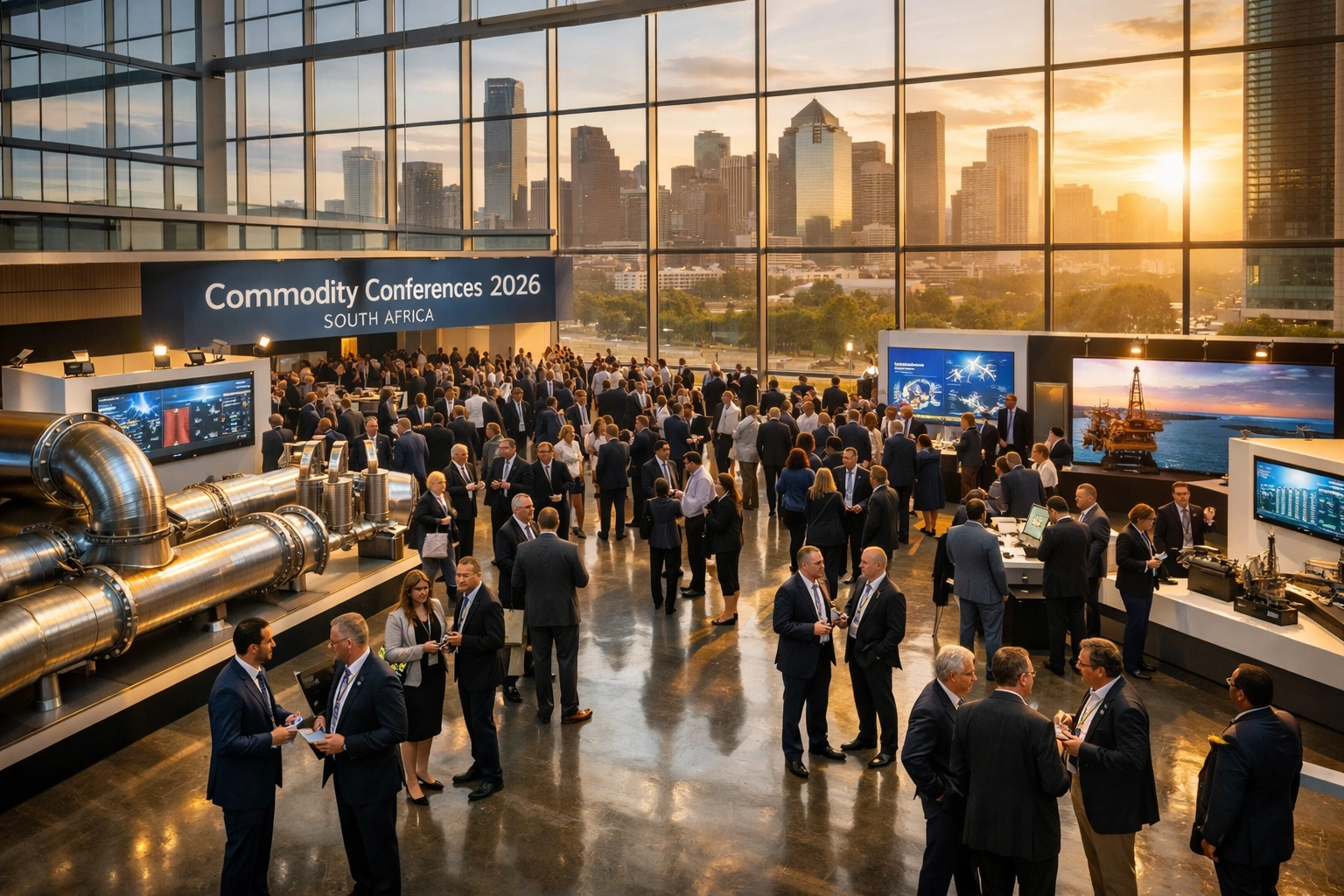
CERAWeek is the undisputed heavyweight of the energy conference circuit, drawing 8,000+ attendees annually to Houston. If you're in oil, gas, LNG, or the energy transition, this is where the entire value chain convenes: from drilling executives and pipeline operators to hydrogen investors and grid infrastructure developers.
What sets CERAWeek apart is its blend of geopolitical insight and technical depth. Sessions explore everything from OPEC+ production strategies to carbon capture technology, with speakers including heads of state, energy ministers, and CEOs of majors like Shell, ExxonMobil, and TotalEnergies. The networking extends beyond energy into critical minerals and battery metals, as the transition to renewables reshapes demand for copper, lithium, and rare earths.
Why attend: Unmatched access to energy policymakers, trillion-dollar capital allocators, and the engineers building tomorrow's infrastructure.
2. Bloomberg New Economy Forum (Rotating Global Cities)
The Bloomberg New Economy Forum positions itself as the anti-Davos: smaller, more exclusive, and explicitly focused on the economic power shift from West to East. With around 400 carefully selected participants, this is where finance ministers, central bank governors, and sovereign wealth fund directors gather to discuss currency flows, trade architecture, and emerging market opportunities.
For commodity professionals, the value lies in understanding how macroeconomic policy impacts raw material demand. Discussions on China's stimulus measures, India's infrastructure spending, and African industrialization provide context for where the next wave of metals demand and agricultural trade will emerge. The Forum's invitation-only structure ensures every conversation carries weight.
Why attend: Strategic foresight into the policy decisions that will shape commodity markets for the next decade.
3. FT Commodities Global Summit (London & Regional Editions)
The Financial Times Commodities Global Summit is the thinking person's commodity conference. Heavy on analysis, light on vendor booths, it attracts senior traders, portfolio managers, and procurement heads who need to understand market structure, not just price movements.
Sessions dissect everything from Russian sanctions' impact on aluminum flows to how climate regulation is reshaping freight and logistics. The FT's editorial credibility draws speakers who actually move markets: heads of trading at Glencore, Trafigura, and Cargill; ministers from resource-rich nations; and the bankers financing it all. Regional editions in Singapore and Geneva ensure the conversation reflects both Asian demand dynamics and European regulatory pressures.
Why attend: Deep-dive market intelligence from the people who write billion-dollar contracts and hedge multi-year exposure.
4. World Government Summit (Dubai, UAE)
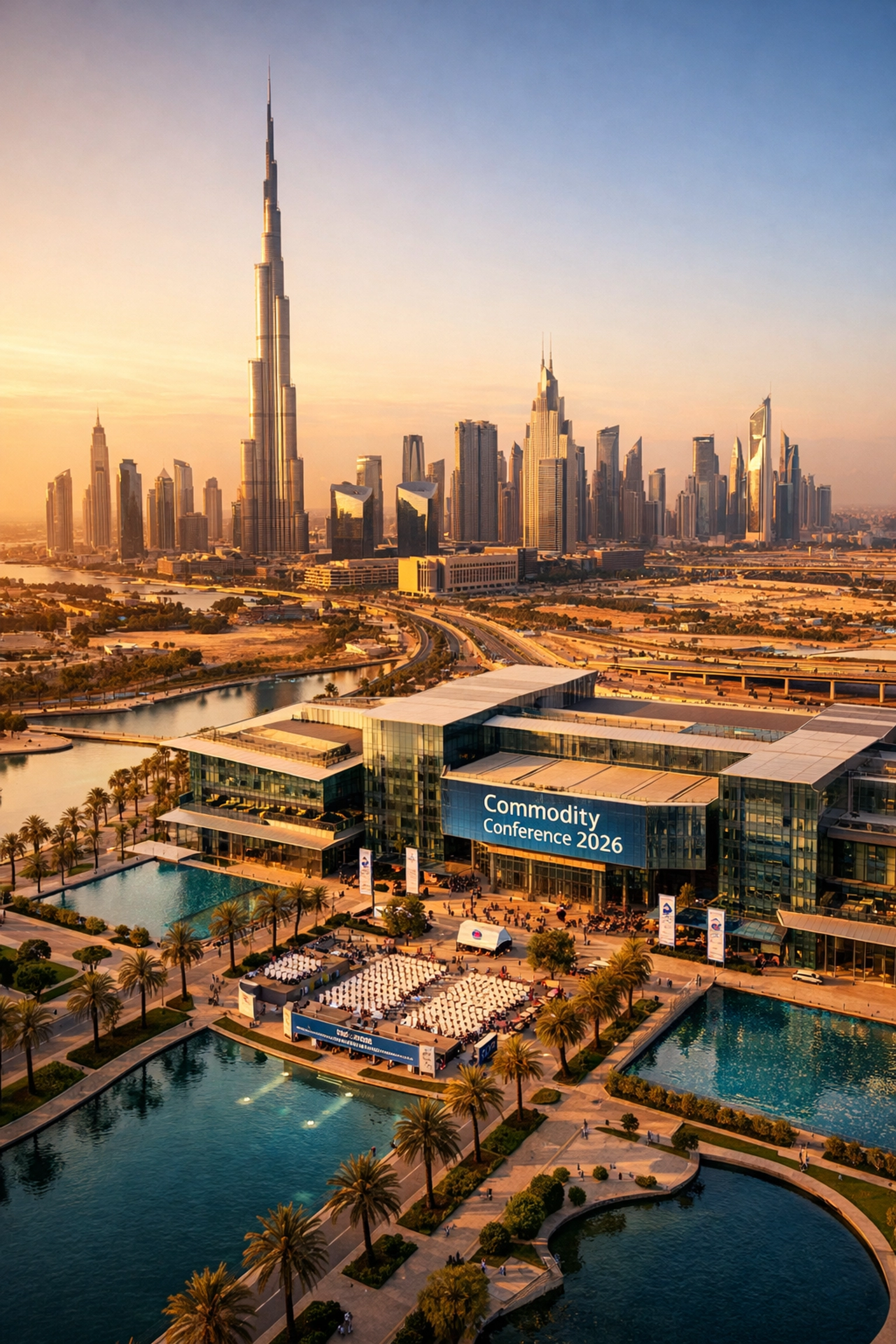
The World Government Summit in Dubai brings 4,000+ government officials, business leaders, and international organizations together to discuss economic policy, infrastructure, and technological transformation. For commodity professionals, it's a unique window into how Gulf states, African governments, and Asian economies are planning their industrial futures.
The Summit excels at connecting resource development to national strategy. Sessions explore how Saudi Arabia is deploying minerals for NEOM, how African nations are negotiating mining royalties, and how sovereign wealth funds are diversifying into agriculture and logistics. It's less about individual transactions and more about understanding the policy frameworks that will govern commodity flows across continents.
Why attend: Early visibility into government-level commodity strategy and the capital deployment decisions that follow.
5. Milken Institute Global Conference (Los Angeles, USA)
The Milken Institute Global Conference in Los Angeles is where Wall Street meets Main Street: or more accurately, where private equity meets mining rights. With 5,000+ attendees including heads of state, Nobel laureates, and top-tier investors, it's a sprawling examination of global capital flows with dedicated tracks on natural resources, infrastructure, and emerging markets.
For commodity leaders, Milken's value is in its capital formation focus. Sessions explore how to finance greenfield mining projects, how family offices are allocating to agriculture, and which investment vehicles are backing energy transition metals. The networking is unparalleled: pension fund managers sit alongside mining executives, creating opportunities for offtake agreements backed by institutional capital.
Why attend: Access to the capital allocators who fund billion-dollar commodity projects and long-term infrastructure plays.
6. International Commodity Summit (Sandton, South Africa)
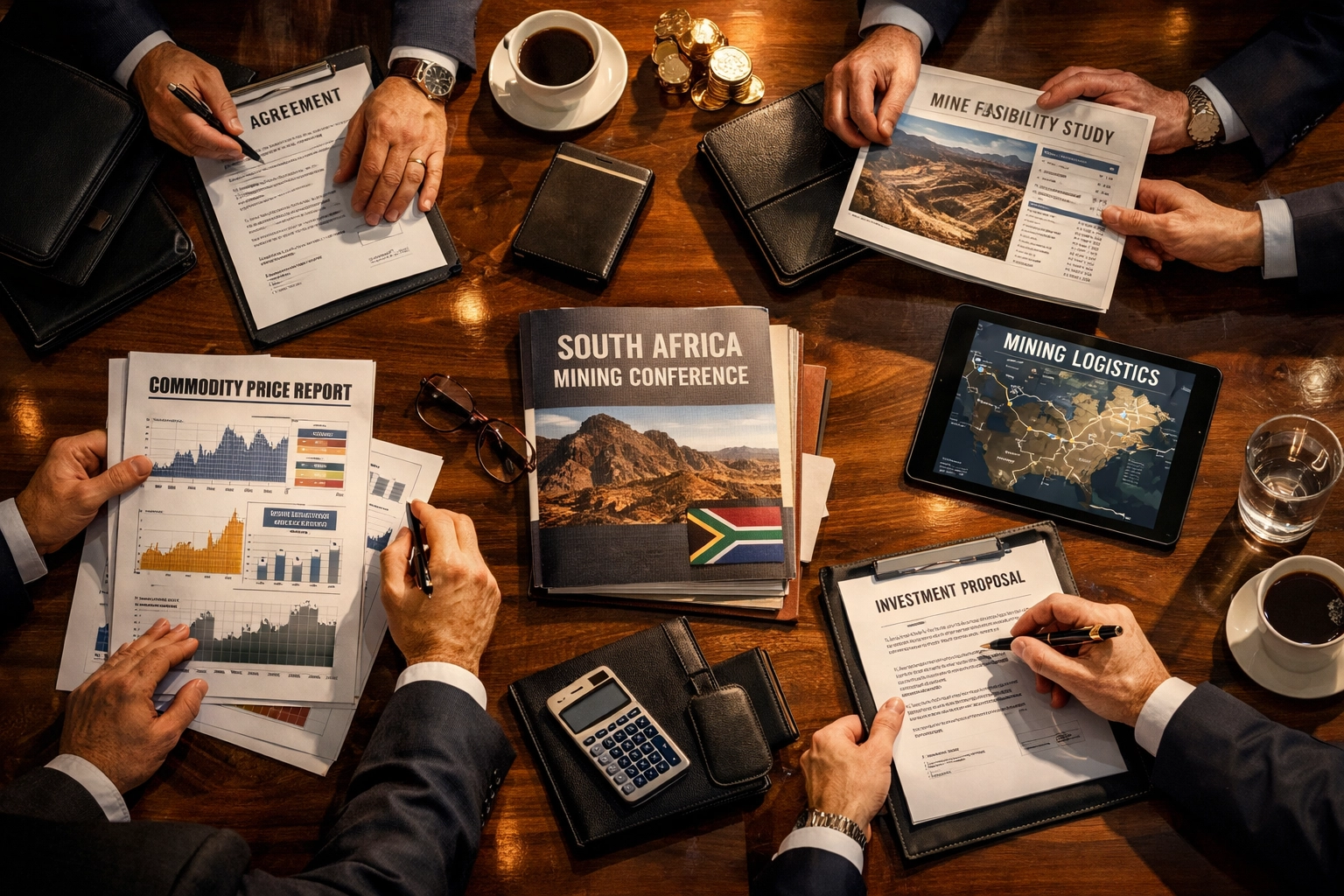
The International Commodity Summit is Africa's answer to the question: where do you go when you need to actually get deals done? Positioned as the "Davos of African Commodities," ICS 2026 brings together 1,500+ C-suite executives, sovereign wealth fund directors, and government ministers in Sandton, Johannesburg, South Africa—not Cape Town—the financial heart of the country and a gateway to the continent's resources.
Unlike broader economic forums, ICS is laser-focused on tangible outcomes: exports, offtake agreements, and the infrastructure that moves commodities from mine to market. The Summit covers the entire value chain across mining, agriculture, energy, chemicals, and logistics, making it the only event where a platinum producer can meet fertilizer buyers, shipping operators, and the trade finance banks that bridge them all.
What sets ICS apart is its deal-making architecture. The agenda is built around sector-specific breakouts: PGMs, battery metals, bulk commodities, agri-commodities, and logistics networks: allowing participants to drill into the specifics of their trades rather than sit through generic keynotes. Side programs include the VIP Gala Evening, exclusive mining site visits, and one-on-one matching facilitated by the organizing team.
The attendee profile is unmatched: CEOs of mid-tier and major mining companies, heads of procurement from Asian smelters and refineries, agricultural commodity traders, logistics executives from rail and port operators, and the sovereign wealth fund representatives who write the checks. Government participation from across Africa ensures that policy conversations happen alongside commercial negotiations.
Why it matters: Africa produces over 40% of the world's cobalt, 70% of platinum group metals, significant copper and gold reserves, and is the next frontier for agricultural expansion. If you're serious about securing African supply, understanding regulatory environments, or connecting with the buyers and financiers who move these commodities, ICS is where you need to be.
Why attend: The single best opportunity to forge offtake agreements, meet government stakeholders, and access Africa's commodity ecosystem: all under one roof in Sandton.
The Verdict: Strategic Calendar Planning for 2026
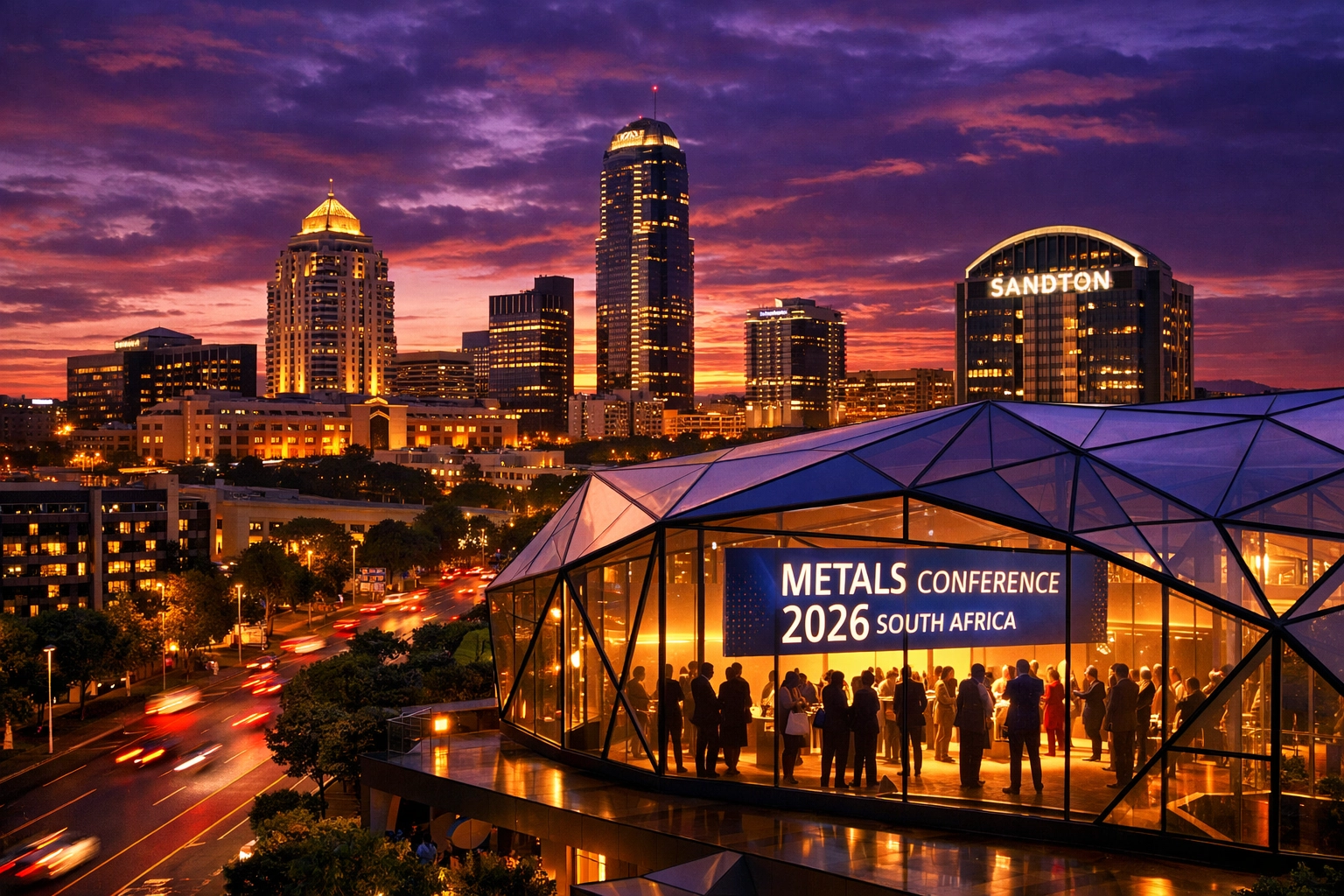
Smart commodity leaders don't attend every conference: they build a strategic calendar that covers energy policy (CERAWeek), financial markets (FT Commodities Summit), capital formation (Milken), and on-the-ground deal-making. For those focused on African resources, emerging market supply chains, or the intersection of sovereign wealth and commodity exports, the International Commodity Summit is non-negotiable.
The difference between these six summits and Davos? At Davos, you discuss the future of capitalism. At CERAWeek, Bloomberg, FT, World Government Summit, Milken, and ICS, you negotiate the contracts that fund it.
The 2026 commodity landscape will be shaped by those who show up where decisions are made: not where headlines are generated. Choose your summits accordingly.
