
The global commodity landscape operates on interconnected supply chains, and few materials bridge as many industries as rubber and industrial commodities. From mining equipment tyres to automotive manufacturing, from construction materials to consumer goods, rubber serves as the connective tissue linking primary production to end-market delivery. The International Commodity Summit 2026, scheduled for 18-19 November 2026 at the Cape Town International Convention Centre, recognizes this critical role by positioning rubber and industrial commodities at the heart of cross-sector collaboration.
For professionals operating in manufacturing, logistics, mining support services, and industrial supply chains, this summit represents an unmatched opportunity to forge connections across the entire value chain: from raw material extraction to finished product distribution.
The Industrial Supply Chain Reality
Rubber doesn't operate in isolation. The material sits at the convergence point of multiple commodity sectors, each dependent on industrial inputs to function efficiently. Mining operations require specialized tyres and conveyor systems. Energy projects demand seals, gaskets, and vibration dampeners. Agricultural machinery relies on rubber components for harvesting and transport. The interconnected nature of these industries creates a compelling case for integrated commodity events that bring diverse stakeholders into the same room.
Southern Africa's position as both a commodity producer and a growing manufacturing hub amplifies the importance of rubber and industrial commodity discussions. The region produces platinum, chrome, manganese, coal, and agricultural products at scale, all of which require industrial inputs throughout their value chains. Trade routes connecting mines to ports depend on heavy-duty vehicle fleets. Processing facilities require specialized equipment and components. This ecosystem creates natural synergies between raw commodity producers and industrial supply providers.
The International Commodity Summit structures its programming to facilitate these cross-sector connections. Unlike narrowly focused trade shows, ICS brings together exporters, buyers, investors, policymakers, and service providers across all commodity categories under one roof. For rubber producers, synthetic material manufacturers, and industrial component suppliers, this creates access to decision-makers from sectors that represent billions in annual procurement spending.
Why Rubber Matters to the Broader Commodity Ecosystem
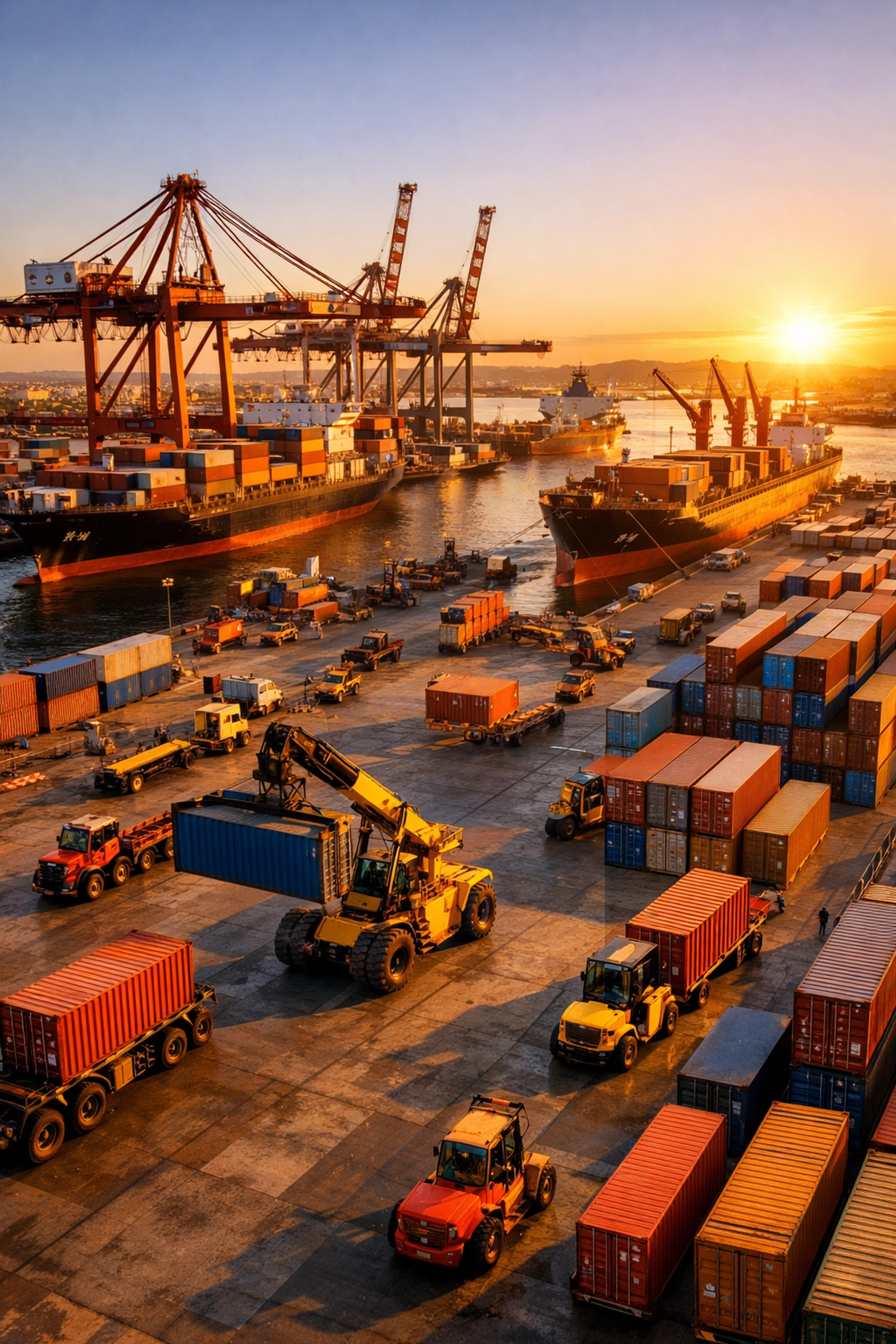
The rubber and industrial commodity sector often operates behind the scenes, but its impact on commodity trade efficiency cannot be overstated. Consider the logistics chain: every ton of copper, every container of citrus, every shipment of coal moves through systems dependent on industrial components. Port equipment, rail infrastructure, trucking fleets, storage facilities: all require rubber products and industrial materials to function.
At ICS 2026, the rubber and industrial commodity track addresses several critical themes:
Supply Chain Resilience: How industrial suppliers can support commodity producers in building more robust, diversified supply networks that withstand global disruptions.
Technology Integration: The role of advanced materials, smart sensors embedded in industrial components, and predictive maintenance systems that reduce downtime in commodity operations.
Sustainability Standards: Meeting increasing pressure for environmentally responsible sourcing, from sustainable natural rubber to recycled industrial materials.
Regional Manufacturing Growth: Opportunities for local and regional production of industrial components, reducing dependency on distant supply chains and creating value-add opportunities within Africa.
These themes resonate across the summit's attendee base. A platinum mine seeking to optimize fleet performance needs tire suppliers who understand extreme operating conditions. An agricultural exporter looking to reduce cold chain failures requires high-quality seals and refrigeration components. A port authority planning infrastructure upgrades needs industrial material suppliers who can deliver at scale with consistent quality.
The ICS 2026 Advantage for Industrial Commodity Professionals
The International Commodity Summit has established itself as one of the TOP 3 commodity events in Africa, with an estimated 10,000 delegates and 10,000 exhibitors converging on Cape Town each year. For rubber and industrial commodity companies, this scale translates into unprecedented access to potential customers, partners, and strategic relationships.
The event's structure maximizes value for participants through several key features:
Exhibition Space: Direct engagement with commodity producers, logistics providers, and end-users seeking industrial solutions. Face-to-face demonstrations of products and capabilities build trust that digital channels cannot replicate.
Panel Discussions: Industry leaders share insights on supply chain trends, procurement strategies, and emerging opportunities. These sessions provide intelligence on where demand is heading and what specifications buyers require.
Networking Opportunities: Structured and informal settings designed to facilitate introductions. Many delegates attend specifically to sign trade deals, creating a results-oriented atmosphere where conversations move quickly from exploration to negotiation.
Policy Engagement: Government representatives and regulatory bodies participate, offering clarity on trade policies, standards requirements, and infrastructure development plans that impact industrial commodity markets.
The summit's timing in November 2026 positions it strategically in the business calendar. Companies finalizing procurement strategies and budgets for the following year actively seek new suppliers and partnership arrangements. Projects planned for 2027 implementation are securing commitments. This creates a decision-making window where the right conversations lead directly to contracts and agreements.
Who Benefits from Attending
The rubber and industrial commodity ecosystem encompasses a diverse range of stakeholders, each with distinct objectives but overlapping interests:
Natural and Synthetic Rubber Producers: Companies supplying raw materials to manufacturers across multiple industries, seeking to diversify customer bases and secure long-term off-take agreements.
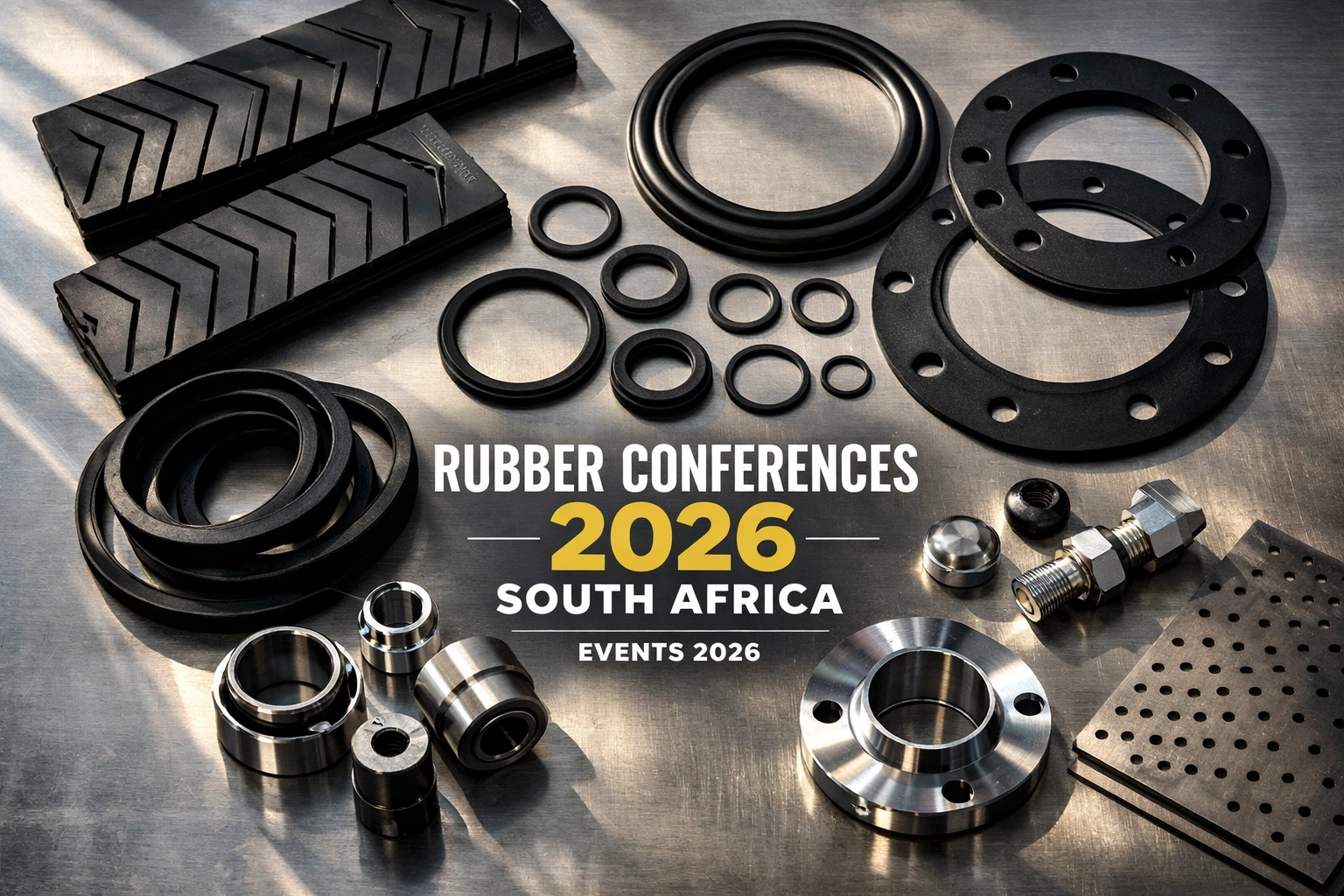
Industrial Component Manufacturers: Producers of seals, gaskets, hoses, belts, vibration control systems, and specialized rubber products targeting mining, energy, and logistics sectors.
Mining Equipment Suppliers: Companies providing tires, conveyor systems, and other industrial components essential to extraction and processing operations.
Logistics Service Providers: Businesses offering industrial materials for port equipment, rail systems, and transportation fleets supporting commodity movement.
Raw Material Traders: Intermediaries connecting producers with manufacturers, seeking to expand their product portfolios and strengthen supplier networks.
Procurement Professionals: Decision-makers from mining companies, agricultural operations, energy projects, and infrastructure developers actively sourcing industrial inputs.
Investment Community: Funds and financial institutions evaluating opportunities in manufacturing, industrial development, and value-add processing within commodity-producing regions.
Each stakeholder group finds relevant counterparties at ICS. The summit's programming ensures that rubber and industrial commodity topics integrate with broader commodity discussions rather than existing in isolation. This integration reflects market reality: industrial suppliers don't just sell to other industrial companies, they enable entire commodity value chains to function.
Strategic Positioning for 2026 and Beyond
The International Commodity Summit 2026 takes place against a backdrop of significant shifts in global commodity markets. Africa's position as a supplier of critical minerals, agricultural products, and energy resources continues to strengthen. Infrastructure development across the continent accelerates. Regional trade agreements reduce barriers and create larger integrated markets.
For rubber and industrial commodity companies, these macro trends translate into concrete opportunities:
Growing demand for locally sourced industrial inputs as commodity producers seek to reduce supply chain vulnerability and support regional economic development.
Infrastructure projects creating sustained demand for industrial materials in port upgrades, rail expansion, and mining development.
Sustainability pressure opening opportunities for innovative materials and products that meet environmental standards while maintaining performance.
Technology adoption in commodity production requiring advanced industrial components with embedded sensors, monitoring capabilities, and predictive maintenance features.
The summit provides a platform to position businesses strategically within these trends. Panel discussions, exhibition space, and networking sessions allow companies to demonstrate their capabilities, understand buyer requirements, and establish the relationships necessary to capture emerging opportunities.
Beyond the Exhibition Floor
While the main exhibition and conference programming forms the core of ICS, additional elements enhance the value proposition for participants. VIP networking events create intimate settings for high-level discussions. Side programs focused on specific commodity sectors allow for deeper dives into specialized topics. The summit's location in Cape Town: a major commercial hub with excellent international connectivity: facilitates extended business engagements beyond the official event dates.
Many attendees structure their visit to include meetings with South African businesses, site visits to nearby operations, and exploration of partnership opportunities with regional companies. The combination of formal summit programming and informal business development activities maximizes the return on attendance investment.
The International Commodity Summit doesn't exist in isolation: it forms part of a year-round ecosystem of commodity trade activity. However, the annual gathering in November serves as the anchor event where relationships solidify, deals finalize, and strategic directions align. For rubber and industrial commodity professionals, participation isn't just about the two days in Cape Town: it's about positioning within a network that drives business throughout the year.
Registration and Participation
As the 18-19 November 2026 dates approach, early registration ensures access to prime exhibition space, preferred networking session placement, and full participation in all summit programming. The event attracts participants from across Africa and internationally, making advance planning essential for maximizing engagement opportunities.
For rubber and industrial commodity companies serious about expanding their presence in African commodity markets, about securing long-term supply agreements, about positioning for infrastructure growth: the International Commodity Summit represents an investment with tangible returns. The connections forged, the intelligence gathered, and the deals initiated at this event drive business development long after the exhibition halls close.
The essential link between commodity production and market delivery runs through industrial inputs. Understanding this reality, leveraging it strategically, and building the relationships that make it work: that's what brings the industrial commodity sector to Cape Town in November 2026.
