
South Africa's agriculture sector is undergoing a transformation. From citrus and wine exports to livestock and grains, the country is positioning itself as a critical export hub for global food security. As agricultural producers, policymakers, and investors converge on the continent, agriculture conferences in South Africa have become essential platforms for forging trade relationships, securing offtake agreements, and unlocking new markets.
If you're serious about agriculture exports, commodities trading, or positioning your operation in the global supply chain, 2026 is packed with opportunities. Here's a breakdown of the agriculture conferences in South Africa that bring together the decision-makers, buyers, and investors who shape the sector.
International Commodity Summit: Where Export Agreements Are Made
For export-focused agriculture businesses, the International Commodity Summit stands apart from traditional farming conferences. This is not an event for equipment dealers, seed suppliers, or service providers: it's a high-level gathering designed for producers, buyers, financiers, and government entities who structure deals that move millions of tons of product across borders. This event is for serious export focused farmers.
The Summit convenes over 1,500 delegates, including CEOs, sovereign wealth funds, development finance institutions, and offtake agreement negotiators from across Africa, Europe, the Middle East, and Asia. What sets it apart is the attendee profile: more than 50% of delegates fly in from overseas, creating a genuinely international marketplace where South African agriculture producers meet the buyers and capital providers they need to scale.
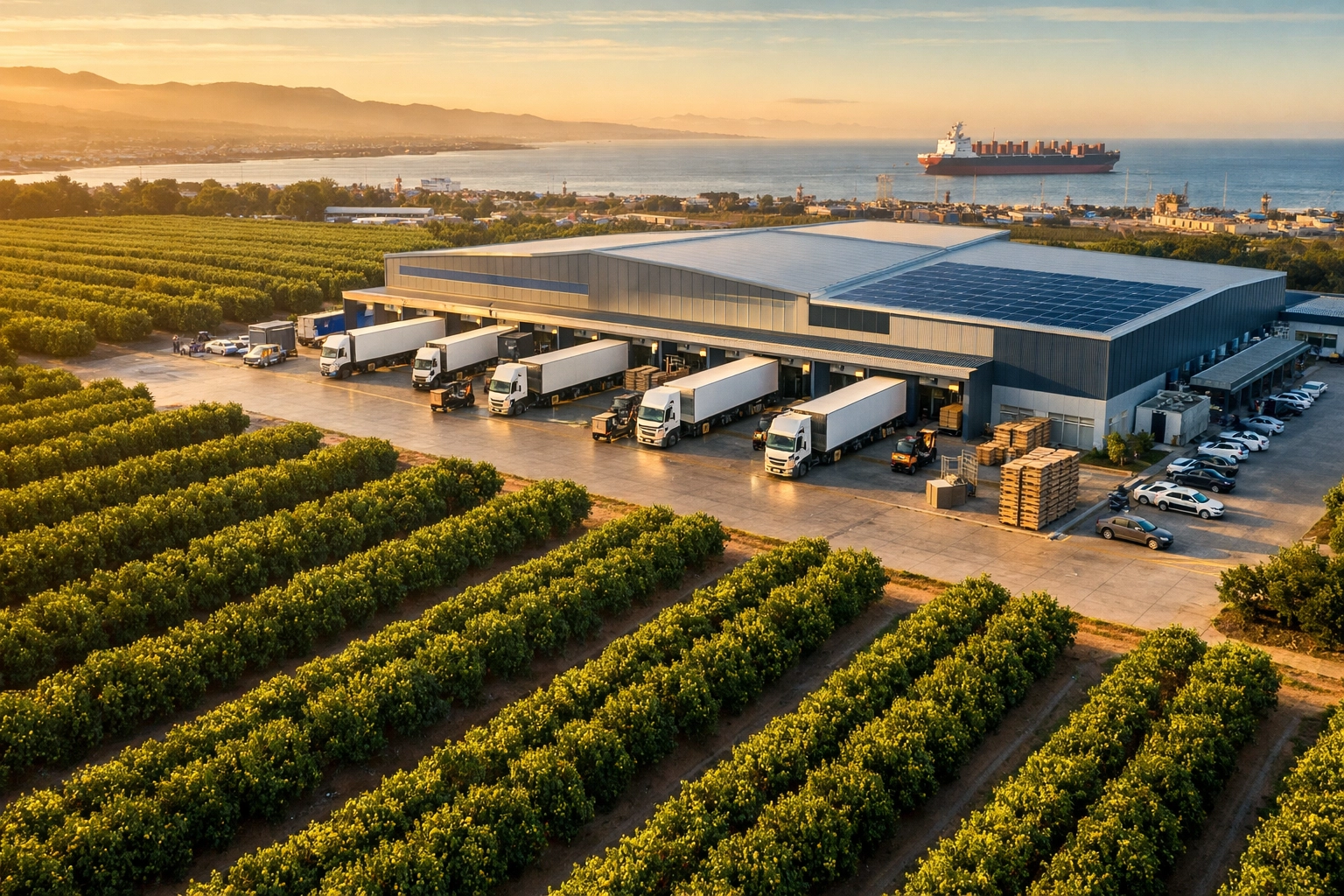
Unlike expos focused on showcasing technology or service providers networking for clients, the International Commodity Summit is deal-centric. Sessions are structured around securing offtake agreements, structuring export finance, and connecting producers with international buyers actively seeking reliable supply chains from Africa. While investment capital does flow through the event, the core focus remains on trade execution and export logistics: making it an unmatched forum for producers ready to move product at scale.
The Summit spans mining, energy, agriculture, and logistics, creating rare cross-sector synergy. An agribusiness executive can sit in a room with port operators, freight forwarders, and government trade officials: all stakeholders who need to align for a successful export transaction. For South African agriculture businesses looking to transition from domestic sales to international contracts, this environment is invaluable.
NAMPO Harvest Day: The Producer's Powerhouse
NAMPO Harvest Day remains the largest agricultural event on the continent, drawing over 87,000 attendees to Bothaville each May. This is a working farm expo where equipment manufacturers, seed companies, input suppliers, and progressive farmers converge to test machinery, compare yields, and explore new farming technologies.
NAMPO is the gold standard for on-farm innovation and mechanization. If you're shopping for tractors, evaluating drought-resistant seed varieties, or comparing precision agriculture software, NAMPO offers unparalleled breadth. The event's strength lies in its field demonstrations and hands-on equipment trials, allowing farmers to see technology in action before making capital investments.
However, NAMPO's focus skews heavily toward production inputs and on-farm operations rather than export facilitation or offtake structuring. It's a must-attend for commercial farmers and agronomy professionals, but export-focused businesses will find limited engagement with international buyers or trade finance institutions.
Market Access Africa: Connecting Buyers and Sellers
Taking place June 3–5 in Durban, Market Access Africa is explicitly designed to link agricultural producers with buyers across the value chain. The event emphasizes market expansion, supply chain optimization, and value-added exports: positioning South African agriculture within regional and global trade corridors.
What makes Market Access Africa relevant for export-oriented businesses is its buyer-seller matchmaking format. The conference facilitates direct engagement between producers and procurement managers from retail chains, food processors, and export consolidators. Sessions focus on meeting international quality standards, navigating phytosanitary regulations, and building long-term supply relationships.
This event is particularly valuable for emerging exporters and SMEs looking to break into formal supply chains or expand their buyer base across African markets. The emphasis on value-added products: processed foods, packaged goods, and branded commodities: also differentiates it from bulk commodity trading platforms.
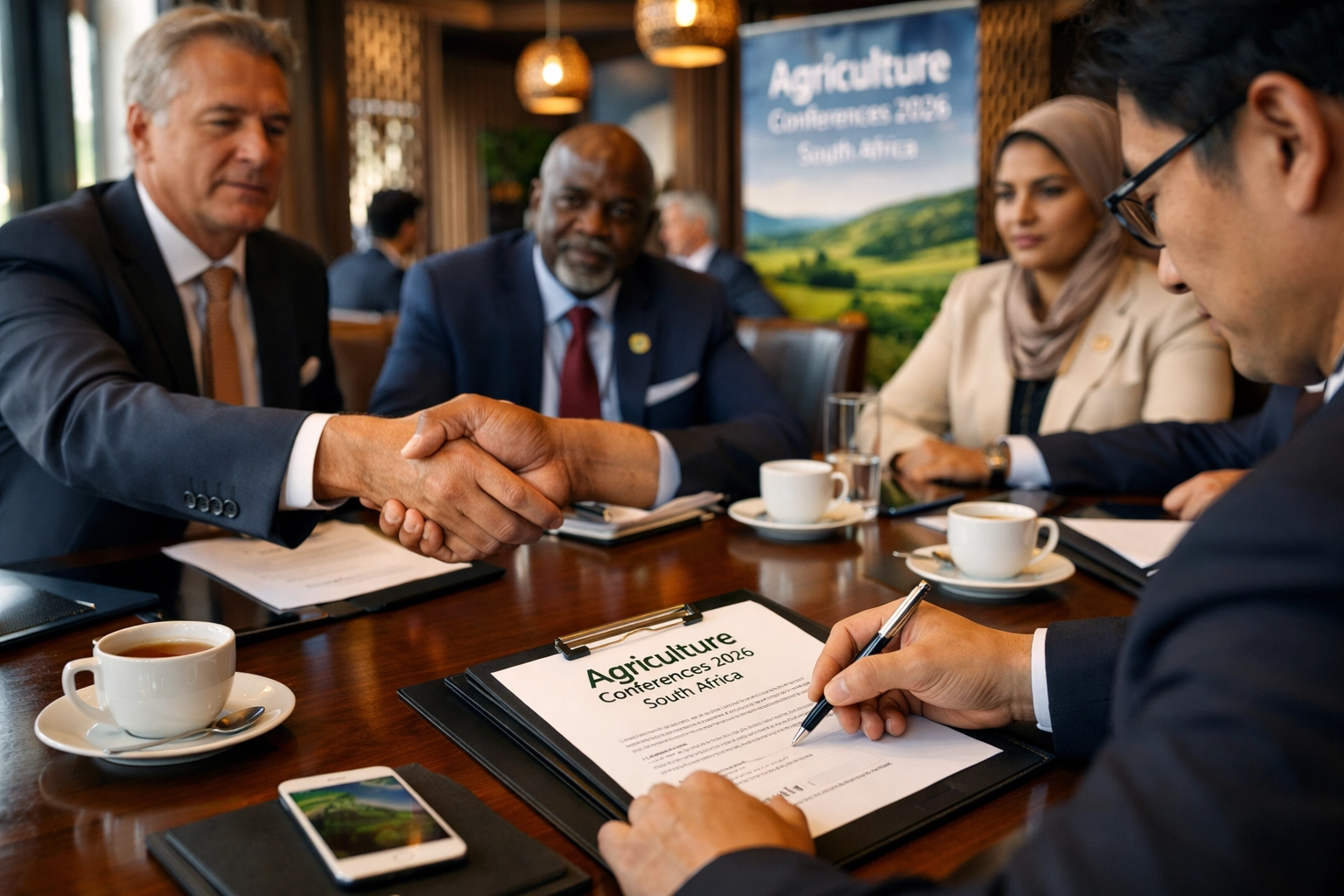
31st Commonwealth Agriculture Conference: Policy Meets Practice
Scheduled for November 1–5 in Cape Town, the Commonwealth Agriculture Conference convenes agricultural leaders, policymakers, researchers, and innovators from across Commonwealth nations. This is a policy-heavy forum where government ministers, multilateral development banks, and academic institutions shape the regulatory and investment frameworks that govern agriculture.
For businesses operating at scale or seeking public-sector partnerships, the Commonwealth Agriculture Conference offers access to decision-makers who control agricultural development budgets, export credit facilities, and trade policy. The conference's focus on sustainability, climate adaptation, and agritech innovation aligns with global ESG mandates: critical for producers seeking financing from development banks or sovereign funds.
However, this event leans more toward strategic dialogue and knowledge exchange than immediate deal-making. Attendees benefit from understanding policy direction and forming long-term institutional relationships, but those seeking offtake agreements or trade finance will need to supplement this with more transaction-focused forums.
Agritec Africa: Technology and Mechanization
Agritec Africa, running March 11–13 in Johannesburg, showcases agricultural technologies, machinery, farming inputs, and sustainable farming solutions. The event attracts commercial farmers, equipment dealers, distributors, and policymakers exploring innovations that boost productivity and mechanization.
Agritec's value lies in its exhibition format, where manufacturers demonstrate cutting-edge equipment, irrigation systems, and farm management software. For operations looking to upgrade infrastructure or adopt precision agriculture tools, Agritec provides a concentrated marketplace of suppliers and technical experts.
That said, Agritec is fundamentally a B2B trade show for equipment and services rather than a commodities trading or export facilitation platform. It's ideal for farmers and agribusiness operators focused on production efficiency, but less relevant for those structuring export contracts or seeking international buyers.
IBMA Conference 2026: Business Models and Trade
The International Business Models in Agriculture Conference (March 8–11 in Port Elizabeth) brings together agribusiness leaders, financial institutions, researchers, and farmers to discuss scalable business models that enhance food security and trade. The 2026 theme: "AgriFuture: Connecting African Innovation to Global Markets": directly addresses agriculture's role in regional and global value chains.
IBMA's strength is its focus on financial structuring, investment models, and bankable project design. Sessions explore how to attract institutional capital, structure offtake agreements with credit enhancement, and build vertically integrated supply chains. For producers working with development finance institutions or seeking project finance, IBMA provides critical insights into structuring deals that meet institutional investment criteria.
The conference also emphasizes smallholder integration and inclusive value chains, making it relevant for businesses developing outgrower schemes or aggregation models that blend commercial and social impact objectives.
Why the Farm-to-Export Focus Matters
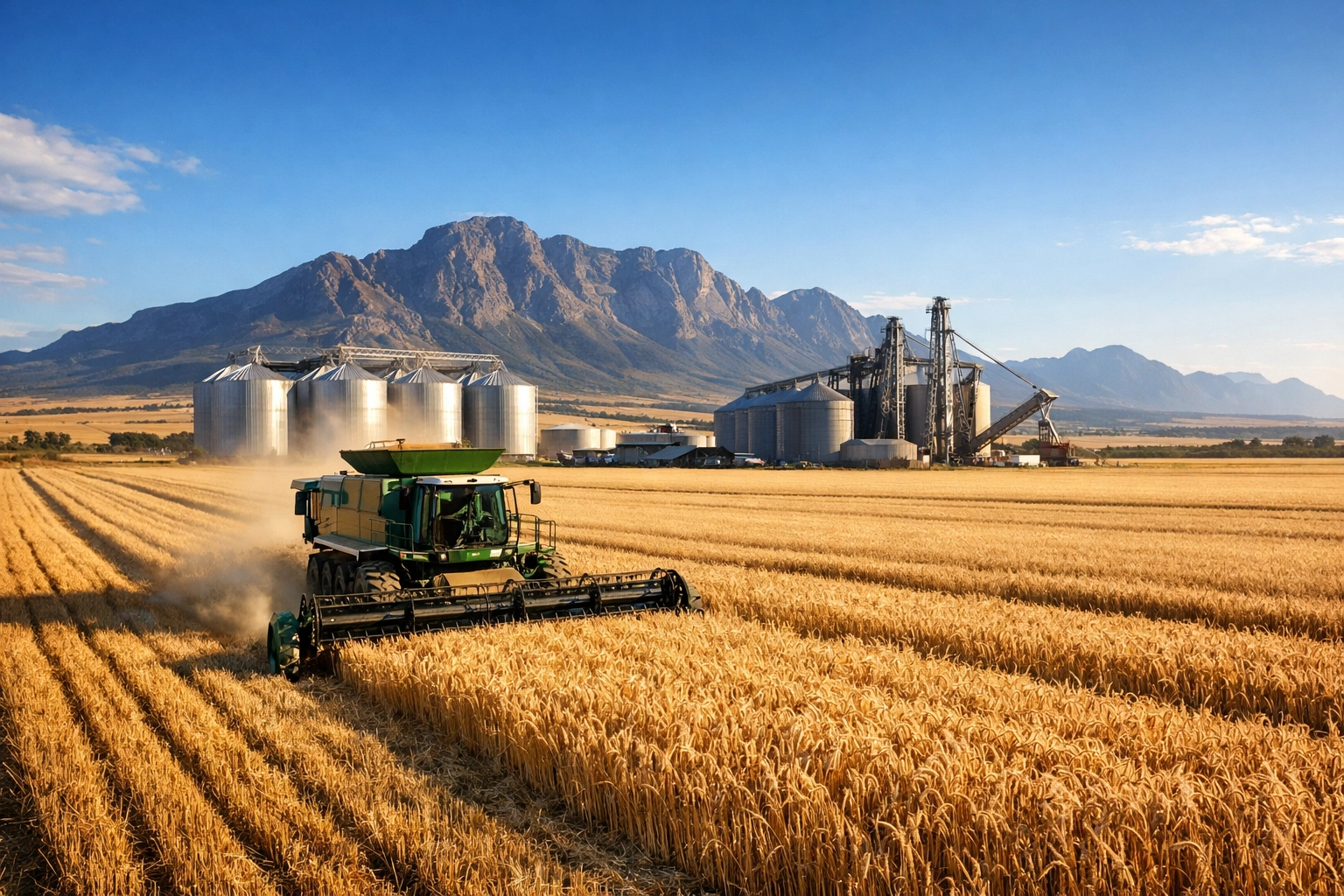
South Africa's agriculture sector generates billions in export revenue annually, with citrus, wine, nuts, and livestock products reaching markets across Europe, Asia, and the Middle East. Yet the gap between production capacity and export execution remains significant. Logistics constraints, regulatory complexity, and access to trade finance often prevent promising producers from scaling internationally.
This is where purpose-built export facilitation conferences create disproportionate value. Events that connect producers directly with offtake buyers, freight forwarders, export credit agencies, and port operators compress the traditionally fragmented process of building export relationships into focused, high-impact engagements.
The most successful export-focused businesses treat conference participation as strategic business development: targeting events where the attendee profile includes actual buyers, not just industry peers or service providers. The distinction matters: attending a conference filled with fellow producers offers valuable peer learning, but attending a forum where international buyers are actively seeking supply contracts creates immediate commercial opportunities.
Choosing the Right Conference for Your Objectives
The agriculture conference landscape in South Africa offers diverse value propositions depending on your business stage, product category, and strategic priorities.
If you're focused on export offtake agreements and international buyers, prioritize forums like the International Commodity Summit where decision-makers with purchasing authority and capital gather to structure deals. If you're looking to upgrade farm equipment or adopt new production technologies, NAMPO and Agritec Africa deliver unmatched breadth of suppliers and hands-on demonstrations.
For policy engagement and institutional partnerships, the Commonwealth Agriculture Conference and IBMA provide access to government officials and development finance institutions shaping the sector's future. And if your focus is expanding into African markets or value-added exports, Market Access Africa offers targeted buyer-seller matchmaking.
The key is aligning conference selection with measurable business outcomes: whether that's securing a multi-year offtake contract, identifying new export markets, or accessing project finance for expansion. The most effective conference strategies involve attending multiple complementary events rather than relying on a single forum to address all business development needs.
South Africa's agriculture conferences in 2026 offer genuine pathways to export growth and international market access. For producers ready to move beyond domestic sales and position themselves in global supply chains, the opportunities are here: you just need to show up where the deals are being made.
