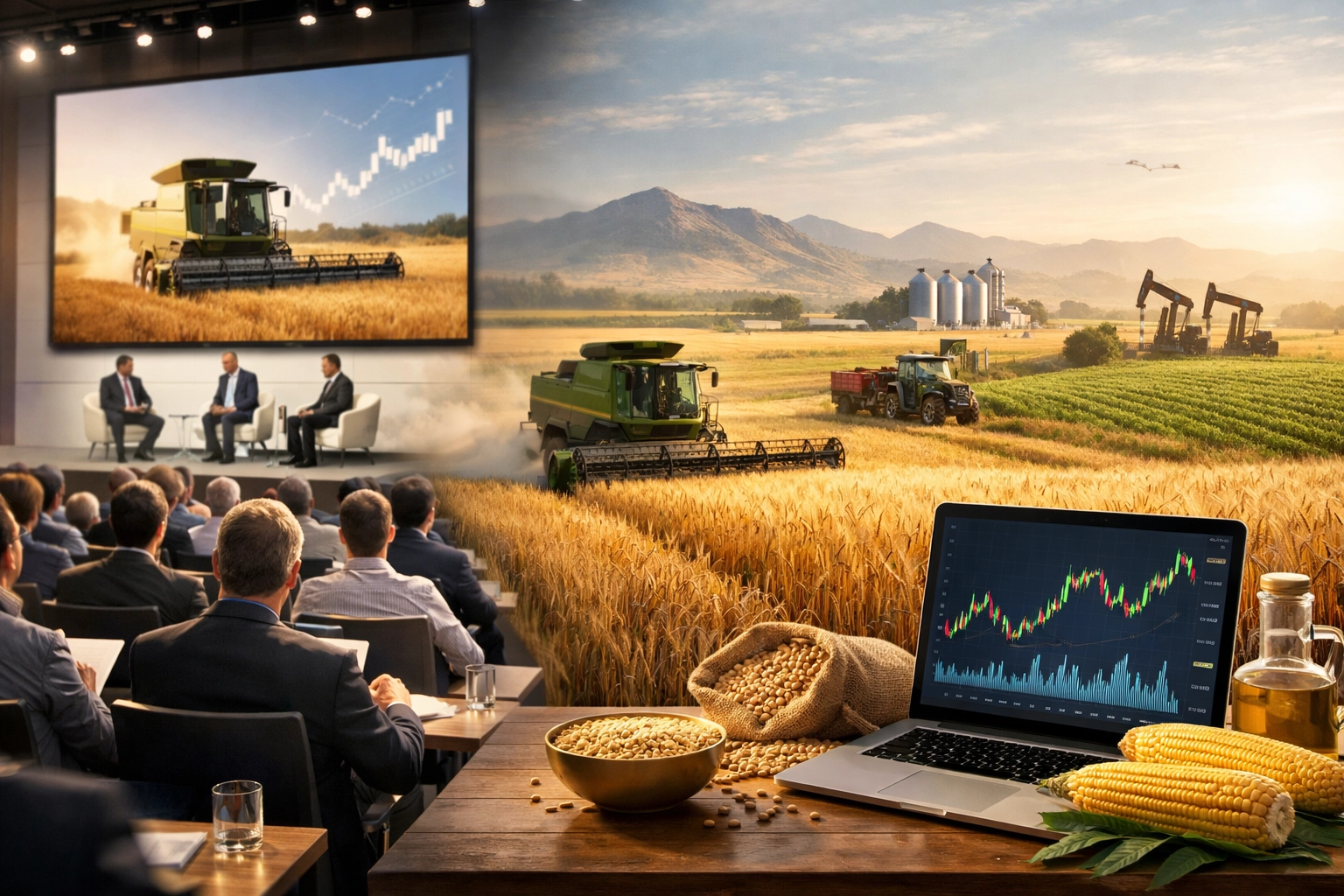
The global agriculture sector stands at a crossroads in 2026. Food security concerns, climate adaptation, export market volatility, and the rise of precision farming technologies are reshaping how commodities move from soil to international markets. For executives, sovereign wealth fund managers, and government officials tasked with securing agricultural supply chains and forging multi-year offtake agreements, the conference circuit has become mission-critical infrastructure.
But not all agriculture conferences are created equal. While some cater to academic researchers or technology vendors, a select few bring together the decision-makers who actually control commodity flows, export contracts, and investment capital. These are the gatherings where real deals happen: where a coffee producer in East Africa shakes hands with a European buyer, where a grain exporter finalizes terms with a Middle Eastern sovereign fund, where fertilizer supply agreements get signed over dinner.
Here's where the world's agricultural power players are convening in 2026.
International Commodity Summit: Where Export-Focused Agriculture Meets Global Capital
When the conversation shifts to agriculture conferences focused on exports and offtake agreements, the International Commodity Summit occupies a category of its own. Unlike conferences designed for agricultural service providers or technology vendors, this gathering brings together the buyers, sellers, and financiers who shape international commodity markets: 1,500+ attendees including high-level CEOs, sovereign wealth fund managers, export credit agencies, and government trade officials.
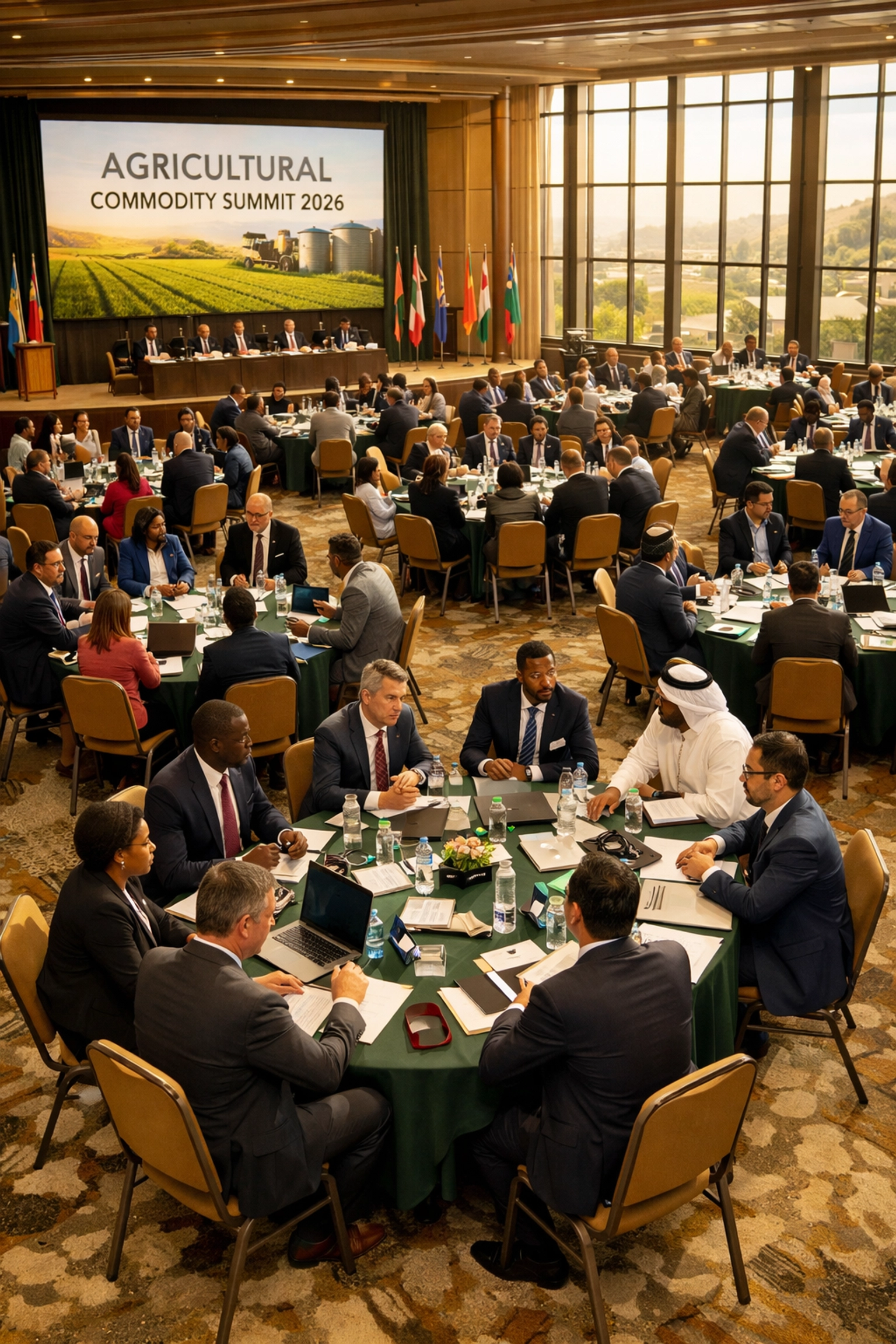
The distinction is critical. While many agriculture conferences in the world 2026 calendar focus on farming techniques or agri-tech innovations, the International Commodity Summit zeroes in on the commercial relationships that move agricultural products across borders. The agenda centers on offtake agreements, export finance structures, trade corridor development, and securing long-term supply contracts: the mechanisms that actually get commodities from origin to destination.
The international composition sets it apart. Over 50% of delegates fly in from overseas, creating a truly global marketplace where African cotton exporters meet Asian textile manufacturers, where South American soybean producers negotiate with European feed buyers, where Middle Eastern governments scout for agricultural investment opportunities across emerging markets. This isn't a regional networking event; it's where continental agricultural trade gets structured.
Investment certainly flows through the summit: sovereign wealth funds, development finance institutions, and private equity groups allocate significant capital to agricultural projects each year. But the core focus remains on securing physical commodity supply, negotiating export terms, and building the relationships that underpin multi-year trade agreements. Service providers aren't the target audience; principals with buying authority and export mandates are.
For executives tasked with securing agricultural inputs, diversifying export markets, or deploying capital into commodity-backed investments, the International Commodity Summit offers unmatched access to counterparties who can actually execute deals. Learn more about the 2026 program.
World Agri-Tech Innovation Summit: The Silicon Valley of Farming
For those focused on agricultural technology conferences in the world, the World Agri-Tech Innovation Summit returns to San Francisco March 17-18, 2026. Drawing 1,700+ decision-makers from agribusinesses, technology companies, and investment firms, this gathering positions itself at the intersection of venture capital and precision agriculture.
The attendee mix leans heavily toward tech entrepreneurs, corporate innovation teams, and early-stage investors looking to back the next breakthrough in vertical farming, gene editing, or AI-powered crop management. For executives exploring strategic partnerships with agri-tech startups or assessing emerging technologies for operational deployment, the Silicon Valley setting provides concentrated access to the innovation ecosystem.
Unlike export-focused gatherings, the emphasis here falls on commercializing agricultural technology rather than structuring commodity supply agreements. It's where a seed company scouts AI-powered breeding platforms, where a food brand evaluates regenerative agriculture startups, where a pension fund allocates to agri-tech venture funds.
Global Conference on Agriculture and Horticulture (AGRI 2026): Academic Meets Applied
Rome hosts the 6th Edition of AGRI 2026 September 14-16, bringing together researchers, agronomists, and industry practitioners under the theme "Frontiers and Advances in Agriculture and Horticultural Science". The hybrid format accommodates both in-person and virtual attendance, making it accessible for those who prioritize scientific knowledge transfer over deal-making.

Focus areas span sustainable farming practices, precision agriculture, soil and water management, plant breeding, crop protection, and agri-biotechnology. For R&D directors, sustainability officers, and technical specialists, AGRI 2026 offers deep dives into the science underpinning next-generation agricultural practices.
The academic orientation means attendees come primarily from research institutions, universities, and corporate R&D departments. It's less about structuring export agreements and more about understanding the technological and scientific advances that will shape farming over the next decade.
Agriculture, Forestry, and Horticulture World Conference (AFHWC 2026): Asia's Biotech Showcase
Singapore becomes the focal point for agricultural biotechnology July 20-22 at AFHWC 2026. The conference emphasizes gene editing, plant biotechnology, and crop enhancement, with CPD-accredited workshops that appeal to technical professionals seeking continuing education credits.
The Asia-Pacific location and biotech focus attract seed companies, agricultural research firms, and biotech startups looking to penetrate Asian markets or access regional R&D talent. For organizations exploring CRISPR applications in crop development or evaluating partnerships with Asian agricultural biotech firms, AFHWC provides targeted exposure.
Like AGRI 2026, the conference skews technical rather than commercial. Attendees come to understand scientific methodologies and biotechnological advances, not to negotiate multi-million-dollar commodity supply contracts.
Global Food & Agri Summit 2026: Food Security Through Science
Amsterdam hosts the 2nd Edition of the Global Food & Agri Summit January 28-31, 2026, addressing food science, biotechnology, climate change adaptation, and grain storage. The European location and food security theme attract government agricultural ministries, international development organizations, and food security researchers.
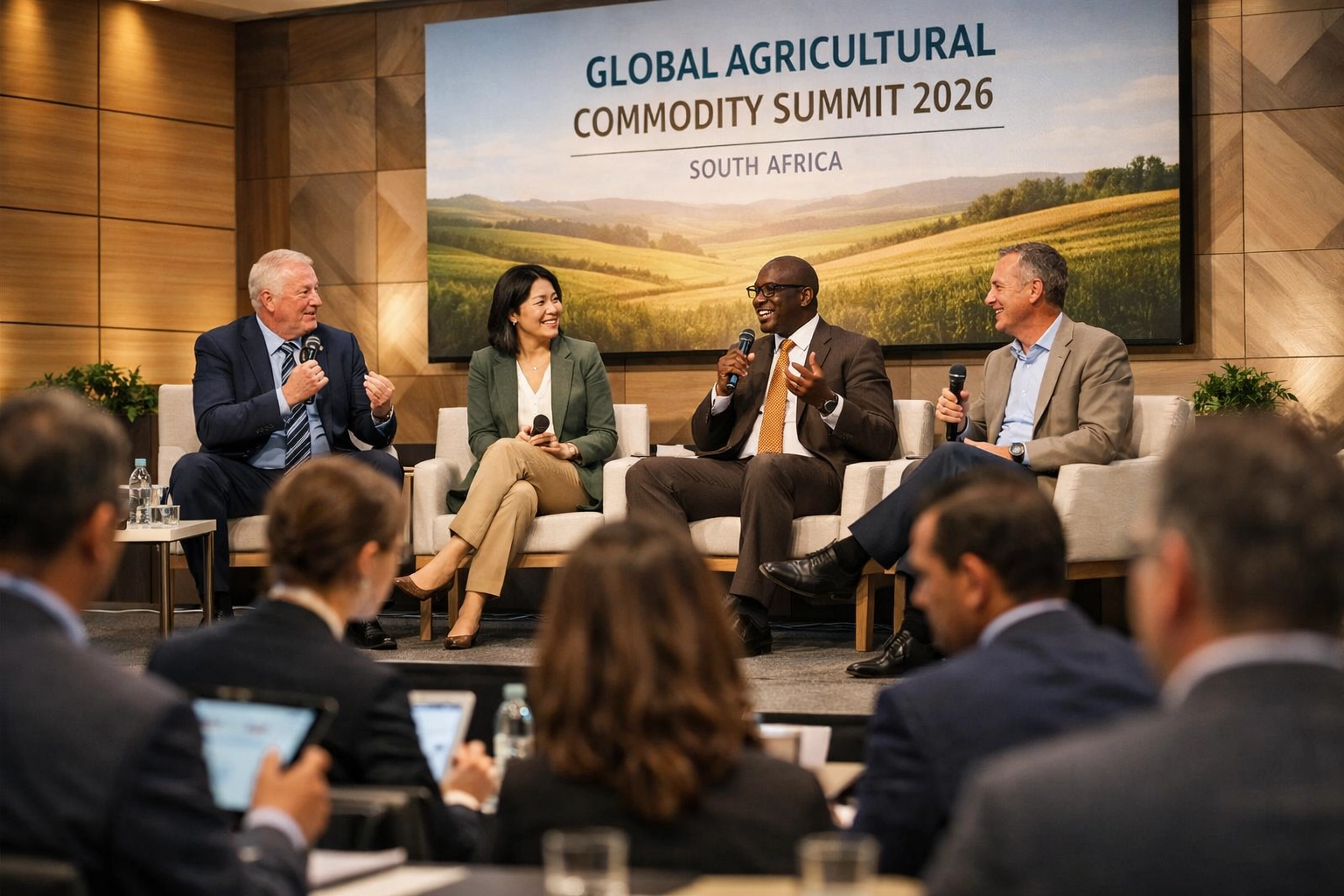
For policymakers and development professionals focused on climate adaptation strategies and resilience-building, this conference offers valuable peer exchange and policy discussions. The emphasis falls on systemic challenges: how to feed growing populations amid climate disruption: rather than individual commercial transactions.
Forum for the Future of Agriculture: Policy and Sustainability in Brussels
The Forum for the Future of Agriculture convenes April 14, 2026 in Brussels, offering both live and online participation. As a policy-oriented gathering, it attracts EU agricultural officials, sustainability directors, and industry associations focused on regulatory compliance and sustainable farming frameworks.
For organizations navigating European agricultural regulations, sustainability reporting requirements, or Common Agricultural Policy (CAP) reforms, the Brussels forum provides essential policy intelligence. It's less about closing deals and more about understanding the regulatory environment shaping European agriculture.
Agritechnica: The German Machinery Giant
Though scheduled for November 2025 with biennial occurrence, Agritechnica in Hanover, Germany remains the world's largest agricultural machinery exhibition, drawing 450,000+ visitors and 2,800+ exhibitors. For equipment manufacturers, distributors, and large-scale farming operations evaluating tractor technology, harvesting equipment, or precision agriculture machinery, Agritechnica offers unparalleled product exposure.
The scale and machinery focus make it essential for procurement directors and operations managers but less relevant for executives structuring commodity export agreements or sovereign fund managers allocating capital to agricultural investments.
NAMPO Harvest Day: Africa's Farming Showcase
South Africa's NAMPO Harvest Day in Bothaville draws 87,000+ attendees, making it Africa's largest agricultural event. The focus remains heavily on farming equipment, seed varieties, and agricultural inputs targeted at commercial farmers. For manufacturers entering the South African market or farmers evaluating equipment purchases, NAMPO provides concentrated access to suppliers.
However, the predominantly domestic audience and farming equipment emphasis differentiate it from export-focused conferences where international trade agreements get structured.
Choosing the Right Agriculture Conference for Your Objectives
The top agriculture conferences in the world 2026 serve distinct audiences and objectives. Technology scouts gravitate toward San Francisco's innovation summit. Agricultural scientists choose Rome or Singapore. EU policy specialists head to Brussels. Equipment buyers make the pilgrimage to Hanover.
For executives whose mandate centers on securing agricultural commodity supply, structuring export agreements, accessing international trade finance, or deploying capital into commodity-backed investments, conferences that bring together principals with buying and selling authority deliver the highest return on time invested.
The agricultural sector's complexity: spanning production, processing, logistics, finance, and policy: means no single conference addresses every stakeholder need. But for those focused on the commercial transactions that move agricultural commodities across international borders, distinguishing between technology showcases, academic conferences, and deal-making environments determines whether attendance generates pipeline or merely collects business cards.
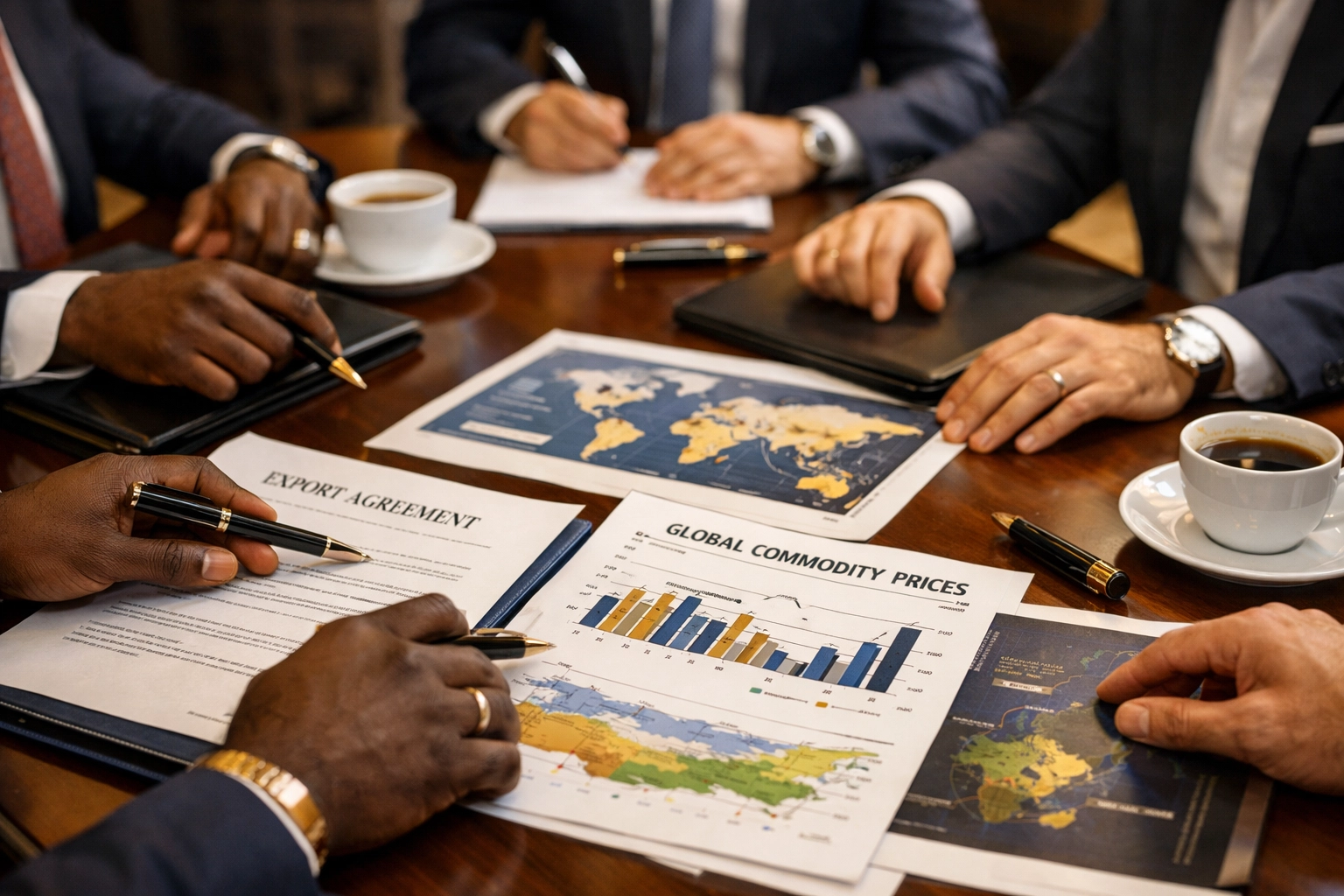
As food security concerns intensify and export market diversification becomes strategic imperative, the value of conferences that facilitate direct connections between commodity producers, international buyers, and capital providers continues to compound. In 2026, those relationships aren't being built at technology showcases or academic symposiums: they're being forged where decision-makers with mandate authority gather to structure the deals that feed nations.
