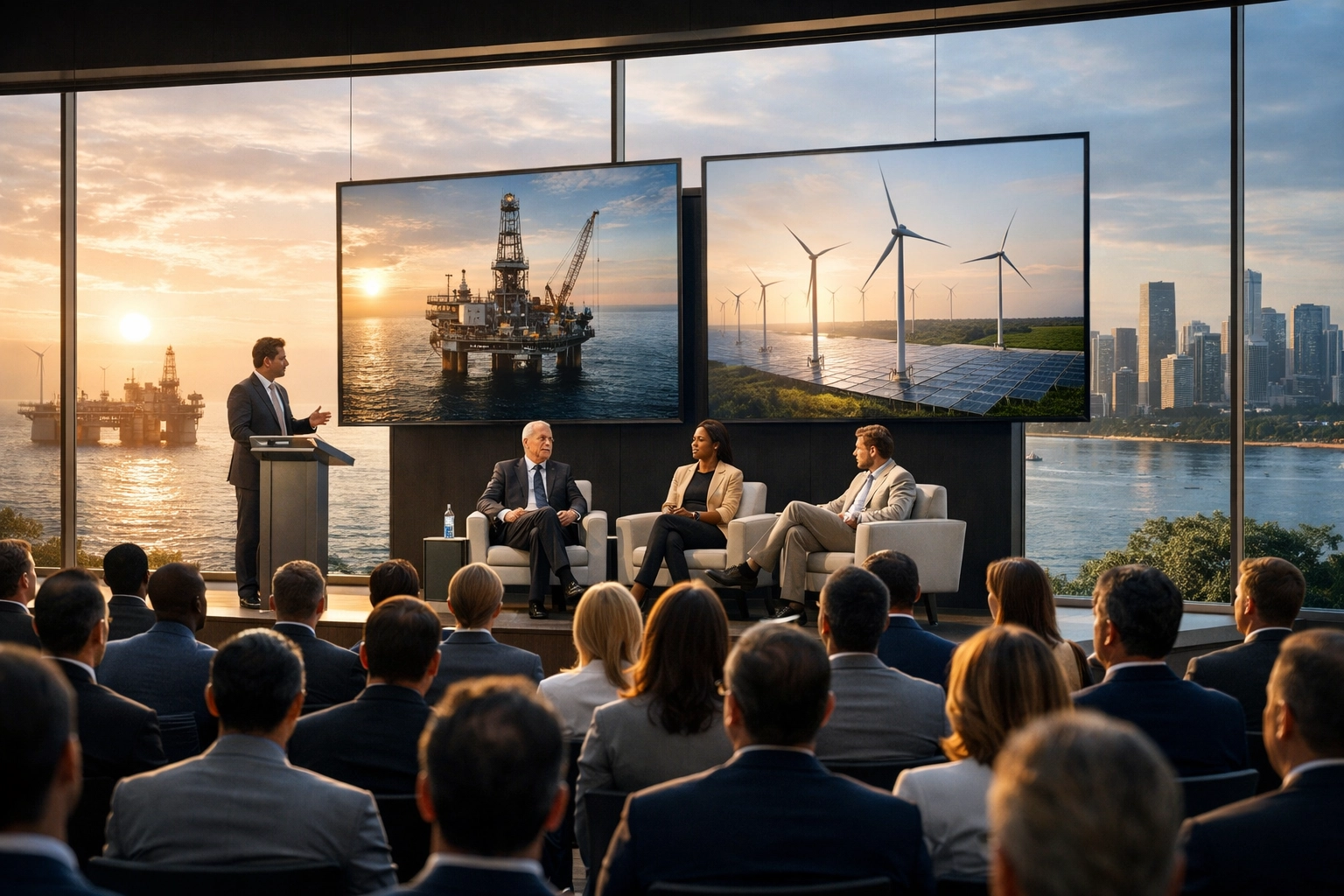
The global energy landscape is shifting faster than ever, and energy conferences 2026 are reflecting that transformation in real time. From Houston to Cape Town, industry leaders are gathering to hash out the future of power generation, fossil fuel transition strategies, and the critical role of natural gas in bridging today's energy reality with tomorrow's renewable ambitions. For professionals tracking energy conferences Africa 2026 and energy conferences South Africa 2026, the question isn't whether to attend: it's which events will deliver the deal flow, policy insights, and cross-sector connections that actually move the needle—and for the International Commodity Summit, that room is in Sandton, South Africa (Johannesburg).
Unlike conferences in Europe or North America that have largely pivoted toward pure renewables programming, energy events in Africa are tackling a more nuanced reality: the continent needs rapid electrification, industrial development, and energy security: all while navigating global decarbonization pressures. This makes energy conferences 2026 across the African continent uniquely positioned as forums where oil, gas, renewables, and critical minerals intersect with urgent infrastructure needs and massive investment opportunities.
The 2026 Energy Conference Landscape: What's Actually Being Discussed
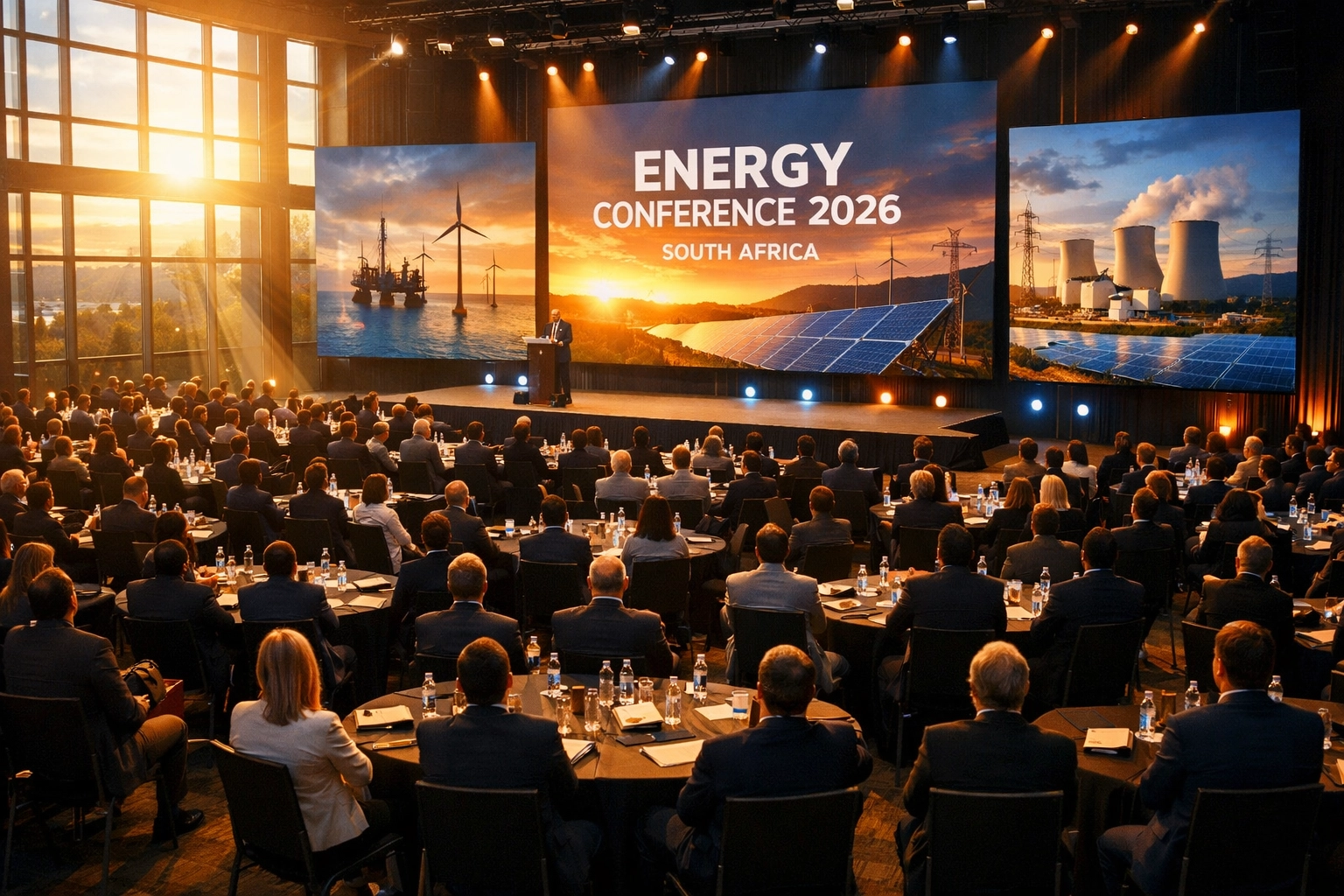
Most energy conferences 2026 are heavily weighted toward solar, wind, and battery storage: and for good reason. Global capital is flooding into renewables infrastructure, grid modernization projects are accelerating, and policy frameworks like the U.S. Inflation Reduction Act are reshaping investment calculations. Events like Energy Storage USA in Dallas and the Solar and Energy Storage Summit in Denver are drawing thousands of attendees focused exclusively on clean energy technology deployment.
But here's what those conferences often miss: the transition itself requires massive investments in natural gas infrastructure, LNG import terminals, and fossil fuel-to-renewables integration strategies. Africa's energy transition looks fundamentally different from developed markets, and energy conferences Africa 2026 are where those realities get addressed head-on. The continent is simultaneously building out baseline grid capacity, developing stranded gas reserves, and leapfrogging to renewables in off-grid applications: all at once.
CERAWeek in Houston remains the flagship event for energy finance and policy, but its global perspective doesn't always translate to the specific challenges facing energy events in Africa. African nations need conferences that address gas monetization alongside renewable deployment, that connect upstream oil and gas players with downstream industrial users, and that bring sovereign wealth funds, mining majors, and energy developers into the same room to forge actual off-take agreements.
Why Africa's Energy Conferences Stand Apart in 2026
Energy conferences South Africa 2026 occupy a unique position in the global conference circuit. South Africa itself is navigating one of the world's most complex energy transitions: a coal-dependent grid, massive renewable potential, significant natural gas discoveries off the coast, and an industrial economy that needs reliable baseload power yesterday. Conferences held in Johannesburg, Cape Town, or Durban aren't just discussing theory: they're addressing live tenders, active project finance negotiations, and regulatory reforms happening in real time. The International Commodity Summit is hosted in Sandton, South Africa (Johannesburg)—a deliberate choice to sit at the center of corporate, finance, and government decision-making—not in Cape Town.
The presence of regulators like NERSA at energy events in Africa creates immediate value that purely commercial conferences can't replicate. When energy regulators sit on panels alongside independent power producers, mining companies that need reliable electricity, and LNG developers looking for off-takers, the conversations shift from aspirational to transactional. This is where energy conferences Africa 2026 deliver differentiated value: they convene the full ecosystem required to actually get projects financed and built.
Consider the practical realities driving attendance at energy conferences South Africa 2026:
- Mining operations across Southern Africa need massive amounts of reliable electricity and are increasingly developing their own generation capacity
- Industrial manufacturers are seeking long-term power purchase agreements that blend gas, solar, and grid power
- LNG import terminal developers need anchor off-takers before they can secure project finance
- Gas-to-power projects require coordination between upstream producers, midstream infrastructure, and downstream consumers
- Renewable energy developers need transmission access, grid integration expertise, and mineral supply chains for battery storage
No single-sector conference addresses this interconnected web. That's why cross-commodity events are becoming the most valuable forums in the African energy landscape.
Gas: The Transition Fuel Nobody Wants to Talk About (But Everyone Needs)
While Western energy conferences 2026 are sprinting past fossil fuels entirely, LNG conferences 2026 and gas-focused programming remain critical in Africa. Mozambique's massive LNG projects, Tanzania's gas discoveries, Senegal and Mauritania's offshore developments: these aren't legacy projects, they're the backbone of regional industrialization and electricity access for the next two decades.
Energy conferences Africa 2026 that ignore gas are missing half the story. Natural gas will serve as the transition fuel that enables renewable deployment at scale: it provides the dispatchable baseload power that solar and wind can't deliver 24/7, it's the feedstock for fertilizer production that drives agricultural productivity, and it's the energy source that makes industrial processing economically viable in markets with unreliable grid infrastructure.
Smart energy events in Africa are structuring programming that addresses the full energy value chain:
- Upstream Development: Exploration, appraisal, and field development planning for gas reserves
- Midstream Infrastructure: Pipeline networks, LNG liquefaction facilities, import terminals, and regasification capacity
- Downstream Off-take: Power generation, industrial consumption, and export markets
- Renewable Integration: How gas-fired peaking plants enable higher renewable penetration on the grid
- Finance & Risk: Project finance structures, political risk insurance, and off-take agreement terms that make projects bankable
The International Commodity Summit positioned itself as one of the TOP 3 events addressing this full spectrum by bringing together 1,500+ C-suite executives, sovereign wealth fund representatives, and government officials: not to discuss energy in isolation, but as part of the broader commodity value chain that defines Africa's economic development. When a gas developer can sit across from a platinum mining executive, a fertilizer manufacturer, and a logistics company all in one room, the conversations shift from theoretical to transactional.
The Cross-Sector Advantage: Why Single-Topic Energy Conferences Miss the Mark
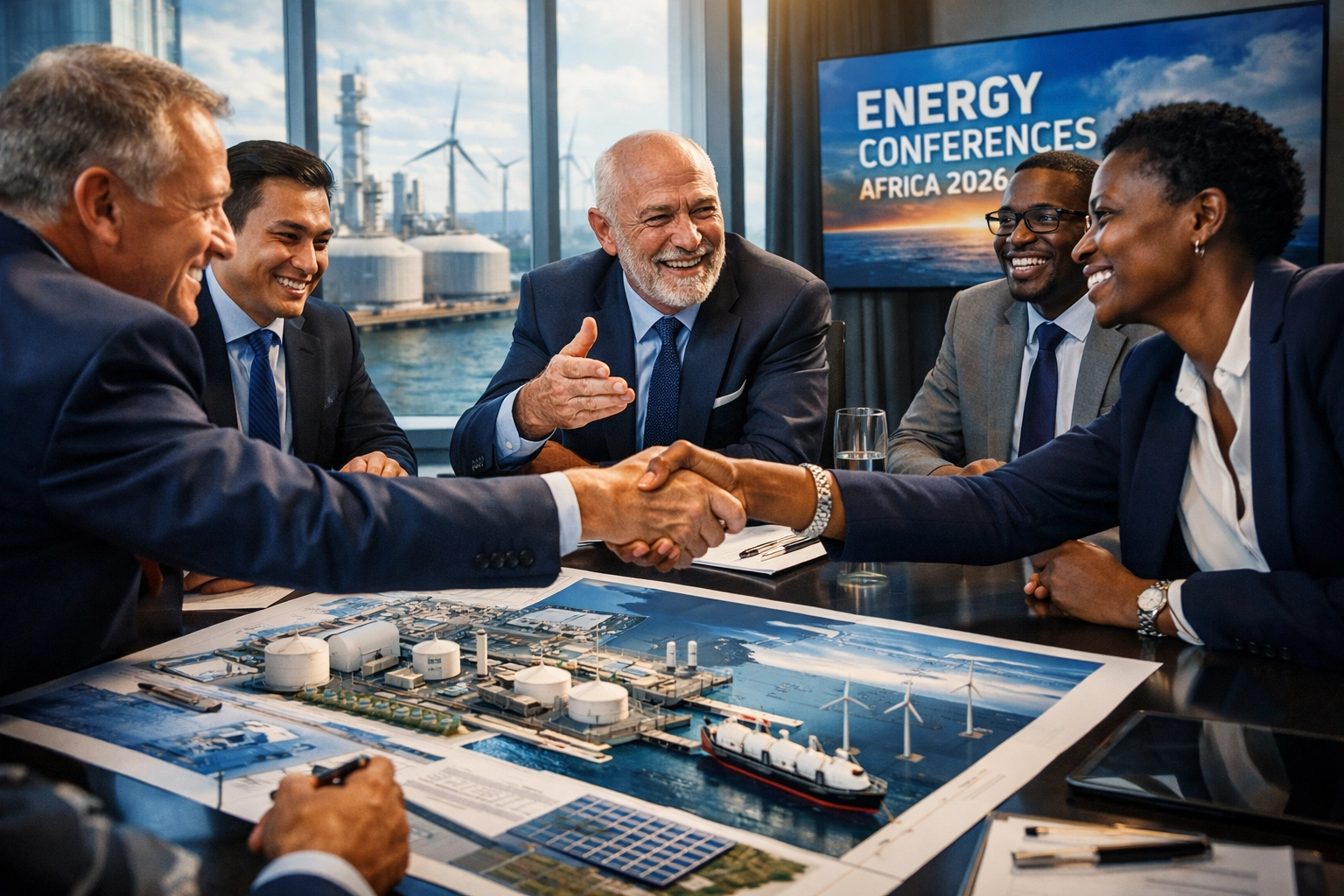
Most energy conferences 2026 are organized around a single technology or sector: solar developers talk to other solar developers, oil and gas executives network with other upstream players, and grid operators discuss transmission challenges with other utilities. This siloed approach misses the fundamental reality of Africa's commodity and energy landscape: everything is interconnected.
Mining operations are among the largest electricity consumers on the continent: and increasingly, they're developing their own captive power generation combining solar, gas, and battery storage. Agricultural processors need reliable electricity and fertilizer (made from natural gas) to scale production. Logistics companies moving commodities from mines to ports need diesel, which comes from refineries, which need crude oil supply agreements. Chemical manufacturers need both electricity and petrochemical feedstocks.
Energy conferences South Africa 2026 that bring together these intersecting sectors create deal-making opportunities that single-topic events simply can't generate. The International Commodity Summit has built its reputation specifically on this cross-sector connectivity: it's where energy meets mining, where agriculture meets logistics, where finance meets infrastructure development. For energy executives, this means access to the actual off-takers and industrial consumers that will drive long-term demand: not just other project developers competing for the same capital.
This is why energy events in Africa with a broader commodity mandate are increasingly outperforming narrow energy-only conferences. The deal flow is richer, the government participation is more substantive, and the outcomes extend beyond networking to actual off-take agreements, joint ventures, and project finance commitments.
What to Look for When Evaluating Energy Conferences 2026
Not all energy conferences 2026 deliver equivalent value. As you plan conference attendance for the year ahead, consider these critical evaluation criteria:
Decision-Maker Density: Does the attendee list include actual C-suite executives with deal authority, or is it primarily mid-level professionals attending for education? Events like the International Commodity Summit enforce strict attendee criteria to ensure that everyone in the room can actually sign off-take agreements or commit capital.
Government & Regulator Participation: Are energy ministers, regulators, and sovereign wealth fund representatives actually attending and participating in substantive discussions: or are they just delivering keynotes and disappearing? Energy conferences Africa 2026 that secure meaningful government participation create policy insights and relationship access that commercial-only events can't replicate.
Cross-Sector Integration: Does the programming address energy in isolation, or does it connect energy development to the broader industrial, mining, and agricultural sectors that will drive long-term demand? Energy conferences South Africa 2026 focused exclusively on power generation miss the industrial off-takers and strategic partners that make projects bankable.
Transaction Focus: Is the conference designed around networking and education, or is it structured to facilitate actual deal-making? Look for events that include dedicated one-on-one meeting programs, structured matchmaking, and side programs specifically designed for negotiating terms.
Africa-Specific Expertise: Does the conference programming reflect the unique realities of African energy markets: including gas monetization, distributed generation, mini-grids, and captive power for industry: or is it importing a European/American conference model that doesn't translate to local market conditions?
The International Commodity Summit has consistently ranked among the top-tier energy events in Africa precisely because it checks every one of these boxes. With 1,500+ senior decision-makers, extensive government participation including ministers and regulators, and a cross-sector mandate that connects energy with mining, agriculture, and logistics, the summit delivers transaction-focused outcomes that single-sector conferences struggle to match.
The 2026 Energy Conference Calendar: Planning Your Strategy
As you build your conference calendar for energy conferences 2026, consider a strategic mix that balances technology-specific deep dives with cross-sector relationship building. Attend specialized events like LNG conferences 2026 to stay current on technical developments and financing structures, but don't skip the broader commodity and infrastructure forums where the actual customers and strategic partners gather.
For professionals focused on energy conferences Africa 2026 and energy conferences South Africa 2026, prioritize events that bring together the full value chain: upstream producers, midstream infrastructure developers, downstream industrial consumers, project finance institutions, and government stakeholders. These are the forums where Africa's energy transition will actually be negotiated, financed, and built.
The energy landscape in 2026 demands more than technical expertise and capital access: it requires strategic relationships that span sectors, connect policy to projects, and turn conversations into contracts. Choose your conferences accordingly, and make sure you're in the rooms where those connections are actually being made.
For more information on Africa's premier cross-sector commodity event, visit International Commodity Summit.
