
South Africa’s energy sector is undergoing the most dramatic transformation in its 120-year history, and energy conferences South Africa 2026 serve as the primary venues where billions in capital allocation decisions are made. For investors seeking exposure to Africa’s energy transition: spanning coal phase-downs, renewable scale-ups, and gas bridging infrastructure: energy conferences 2026 represent not just networking opportunities but critical intelligence-gathering operations that separate early movers from late entrants paying premium valuations.
The stakes are straightforward: South Africa controls 80% of the continent’s coal reserves, hosts Africa’s most sophisticated grid infrastructure, and simultaneously leads the renewable energy revolution with utility-scale solar and wind projects that rival European installations. Energy events in Africa have evolved from academic forums into deal rooms where off-take agreements are signed, project finance is structured, and sovereign wealth funds commit capital. Missing these gatherings means arriving to opportunities after spreads have compressed and the most attractive assets are already spoken for.
South Africa’s Energy Landscape: The Investment Case
The South African energy market presents a paradox that energy conferences Africa 2026 address head-on: the country remains the continent’s largest coal consumer while simultaneously ranking as Africa’s renewable energy powerhouse. This dual identity creates layered investment opportunities across the entire value chain.
Coal infrastructure still represents 80% of installed generation capacity, with Eskom’s fleet requiring $10+ billion in maintenance capital through 2030. For investors, this translates to opportunities in emissions reduction technology, coal beneficiation, and: critically: decommissioning and site rehabilitation as units retire. The conversation at energy conferences South Africa 2026 increasingly focuses on managed decline rather than immediate shutdowns, creating a 15-year investment runway for transition capital.
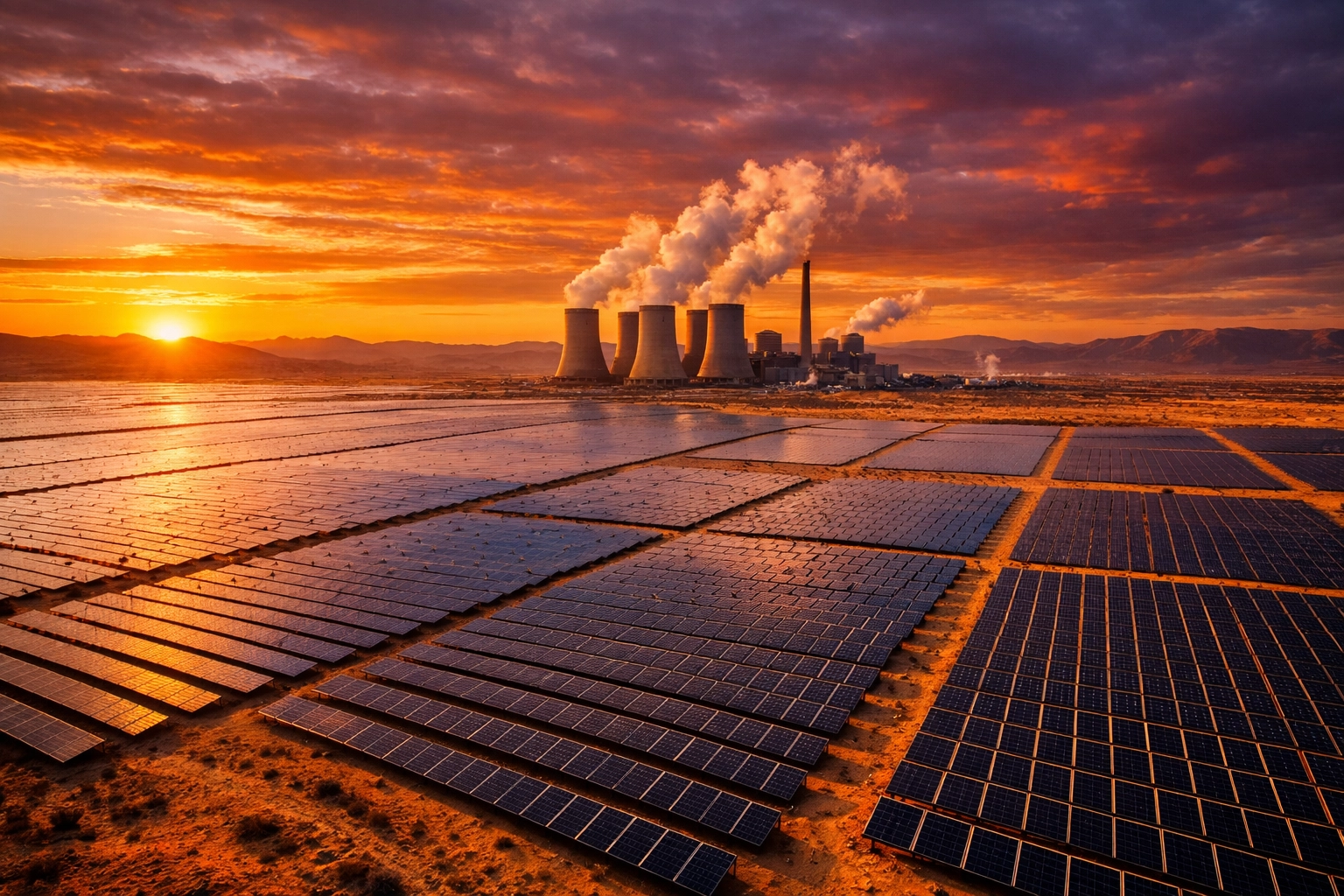
Renewable energy deployment has accelerated dramatically post-2022, with the Renewable Energy Independent Power Producer Procurement Programme (REIPPPP) unlocking 7,000 MW of new capacity. Solar installations in the Northern Cape and wind farms along the Eastern Cape coastline now compete with fossil fuel generation on price, not subsidy. Energy conferences 2026 showcase bankable projects with 20-year power purchase agreements, grid connection guarantees, and proven operational track records: the trifecta that institutional investors require.
Natural gas emerges as the bridging fuel, with discoveries off Brulpadda and new LNG import terminals under development in Richards Bay and Saldanha Bay. The gas conversation at energy events in Africa centers on import infrastructure, domestic distribution networks, and the 3,000+ MW of gas-to-power capacity planned for the 2026-2030 window. For investors, gas infrastructure offers regulated returns, sovereign counterparty risk, and strategic importance that insulates projects from political volatility.
Why Energy Conferences 2026 Matter: The Information Asymmetry Advantage
Capital flows to information. In frontier markets, energy conferences Africa 2026 collapse the information asymmetry that typically handicaps offshore investors, providing direct access to policymakers, project developers, and off-takers who control deal flow.
Regulatory clarity represents the primary driver of investment thesis formation, and South Africa’s energy conferences convene the exact officials who shape policy implementation. Ministers, NERSA representatives, and utility executives use these platforms to signal priority projects, announce tender timelines, and clarify licensing processes. Investors attending energy conferences South Africa 2026 gain 6-12 month visibility on policy shifts, allowing capital to be positioned before opportunities become crowded trades.
Project validation occurs through peer review at these gatherings. Developers presenting at energy conferences 2026 subject their projects to scrutiny from competitors, financiers, and technical experts who identify fatal flaws before capital is committed. For institutional investors managing fiduciary standards, this informal due diligence process de-risks early-stage engagement and accelerates investment committee approvals.
Capital consortium formation happens organically when development finance institutions, commercial banks, private equity funds, and strategic corporates gather in the same venue. Energy events in Africa facilitate the complex, multi-party financing structures that utility-scale projects require: combining concessional capital, senior debt, mezzanine tranches, and equity in configurations that optimize return profiles while meeting ESG mandates.
The Energy Conferences South Africa 2026 Calendar: Investor Priorities
The energy conferences Africa 2026 landscape offers distinct value propositions across the annual cycle, with each event serving specific investor needs and deal stages.
Africa Energy Indaba (March 3-5, Cape Town) positions itself as the continent-wide policy forum, attracting energy ministers from 40+ African nations. For investors with pan-African mandates, this event provides unparalleled access to sovereign decision-makers and multilateral lenders shaping the $600+ billion investment requirement for Africa’s energy transition through 2040.
RE+ South Africa (June 2-4, Johannesburg) focuses explicitly on renewable energy deployment, bringing together EPC contractors, equipment manufacturers, and project developers with operational track records. Investors seeking late-stage investment opportunities in proven technologies benefit from the technical depth and project-specific presentations that characterize this conference.
SASEC (June 24-26, Kruger National Park) serves the research and innovation community, showcasing emerging technologies and efficiency improvements that represent second-wave investment opportunities. While more academic in orientation, energy conferences South Africa 2026 like SASEC identify technological disruptions 3-5 years before commercial deployment.
African Energy Week (October 12-16, Cape Town) bills itself as Africa’s largest energy gathering, emphasizing upstream oil and gas alongside power generation. For investors with diversified energy portfolios spanning hydrocarbons and renewables, this event provides comprehensive sector coverage and cross-commodity arbitrage insights.

Important location note: The International Commodity Summit is held in Sandton, South Africa (Johannesburg)—not Cape Town.
International Commodity Summit: The Premier Energy Conference South Africa 2026
The International Commodity Summit has established itself as the preeminent energy conference South Africa 2026, distinguished by its unique positioning at the intersection of commodities trading, energy finance, and sovereign capital allocation. Scheduled for November 18-19, 2026, the Summit convenes 1,500+ C-suite executives, central bankers, and institutional investors in Sandton’s financial district: the geographic center of African capital markets.
Unlike sector-specific conferences, the Summit’s multi-commodity approach attracts the full energy value chain: upstream producers, midstream infrastructure developers, downstream off-takers, shipping companies, trade financiers, and insurance providers. This ecosystem approach replicates the actual deal structures that characterize energy projects, where coal-to-renewables transitions involve mining companies, logistics providers, and power utilities operating in coordinated lockstep.
The attendee profile separates the International Commodity Summit from other energy events in Africa: sovereign wealth fund managers controlling $2+ trillion in assets under management, central bank governors setting monetary policy that impacts project finance costs, and heads of state who directly approve major energy infrastructure projects. This concentration of decision-making authority means deals initiated at the Summit move to term sheets within weeks, not the 18-24 month cycles typical of sector conferences.
Deal structure innovation represents a core Summit focus, with dedicated sessions on blended finance, carbon credit monetization, and political risk insurance products tailored to African energy projects. As multilateral lenders retool project financing criteria and private capital demands bankable revenue streams, the Summit serves as the primary venue where these new financial instruments are stress-tested and deployed.
The gala evening on November 18th creates an informal setting where relationship capital is built: the handshake agreements that precede formal term sheets and the trust networks that accelerate due diligence. In African energy markets where relationships often trump process, this social dimension represents tangible investment value that offshore investors struggle to access through conventional channels.
Practical Investment Outcomes: Beyond Networking
Energy conferences South Africa 2026 deliver measurable returns on participation when investors approach them strategically. The most sophisticated capital allocators treat these events as intelligence operations, with pre-conference research identifying specific projects, developers, and government officials to engage.
Off-take agreement visibility emerges as the primary value driver. South African energy projects require 15-20 year power purchase agreements to achieve financial close, and energy conferences 2026 provide early sight lines on upcoming tenders, grid capacity allocations, and off-taker creditworthiness assessments. Investors attending the International Commodity Summit gain 6-12 month lead time on competitive bids, allowing technical and financial due diligence to be completed before formal RFP release.
Co-investment partnerships form when institutional investors with complementary mandates identify shared opportunities. Development finance institutions bringing concessional capital seek commercial investors who can provide market-rate returns; private equity funds with operational expertise partner with pension funds offering patient capital. Energy events in Africa catalyze these partnerships by concentrating the relevant decision-makers in venues designed for extended engagement.
Risk mitigation intelligence flows from direct interaction with project developers, equipment suppliers, and government officials who understand on-the-ground implementation challenges. South African energy projects face grid connection delays, community consultation requirements, and environmental permitting complexity that desktop analysis misses entirely. Investors who attend energy conferences Africa 2026 hear directly from operators who have navigated these obstacles, avoiding rookie mistakes that destroy IRRs.
The 2026 Investment Thesis: Why This Year Matters
Energy conferences South Africa 2026 occur at an inflection point for the continent’s energy transition. South Africa’s Just Energy Transition Partnership has mobilized $8.5 billion in concessional finance, Eskom’s restructuring into generation, transmission, and distribution entities creates unprecedented private sector entry points, and the end of load-shedding in Q1 2026 demonstrates grid stability that reassures international investors.
For capital allocators building African energy exposure, energy conferences 2026 provide the ground truth that investment committee presentations require. The difference between reading about energy transition and sitting across from the CEO of a renewable energy IPP who has built 500 MW of operational capacity cannot be overstated. The International Commodity Summit concentrates this access into 48 hours of structured engagement, accelerating investment processes that typically span quarters.
The economic logic is simple: energy events in Africa occur three times per year on average, meaning investors have limited opportunities to build the relationship capital, technical knowledge, and deal flow visibility that successful African energy investment requires. Missing the International Commodity Summit means waiting until 2027 to access this concentration of decision-makers: a delay that costs market position as South Africa’s energy sector executes its most ambitious transformation in history.
For investors serious about African energy exposure, attendance at energy conferences South Africa 2026 represents not an optional networking opportunity but essential infrastructure for information gathering, deal origination, and competitive positioning. The International Commodity Summit, with its unique convening power among sovereigns, institutions, and operators, stands as the single highest-return event on the 2026 calendar for energy-focused capital.
