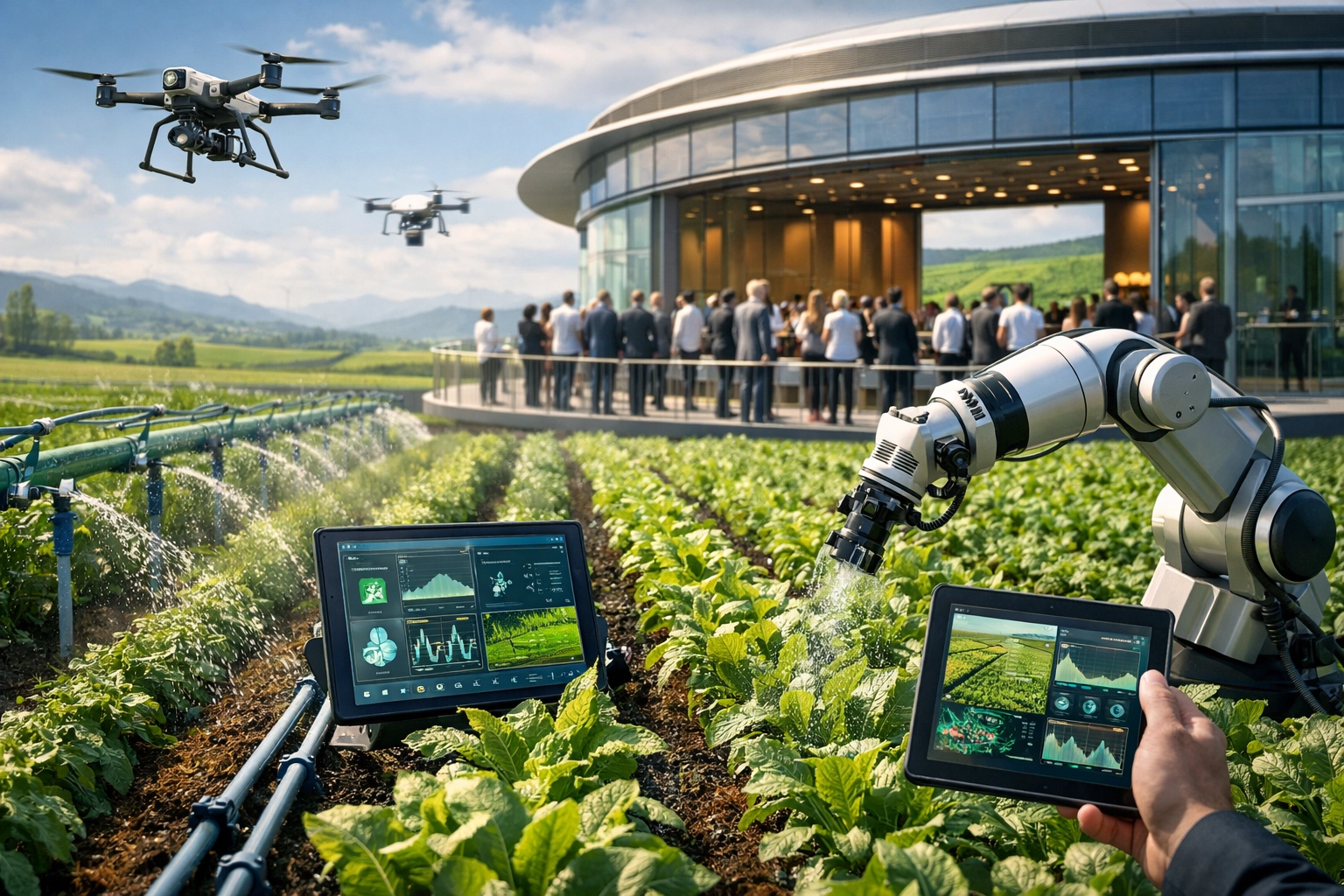
When Farmers Meet Engineers: The New Agricultural Paradigm
The agriculture sector is undergoing its most significant transformation in decades, and it's not happening at traditional agricultural shows anymore. While generic ag-shows display the latest tractor models and seed varieties, the real revolution: precision farming technologies, advanced irrigation systems, and AI-driven crop management: requires a different kind of venue. One where commercial farmers sit across from agri-tech engineers, where water management specialists shake hands with satellite imaging analysts, and where investment decisions worth millions are made over coffee breaks.
The International Commodity Summit has carved out a unique position in 2026 as the premier events in South Africa where this convergence happens with intent and precision. This isn't about walking through exhibition halls filled with generic equipment. It's about targeted, high-level engagement between the people who grow the food and the innovators who are engineering the future of how it's grown.
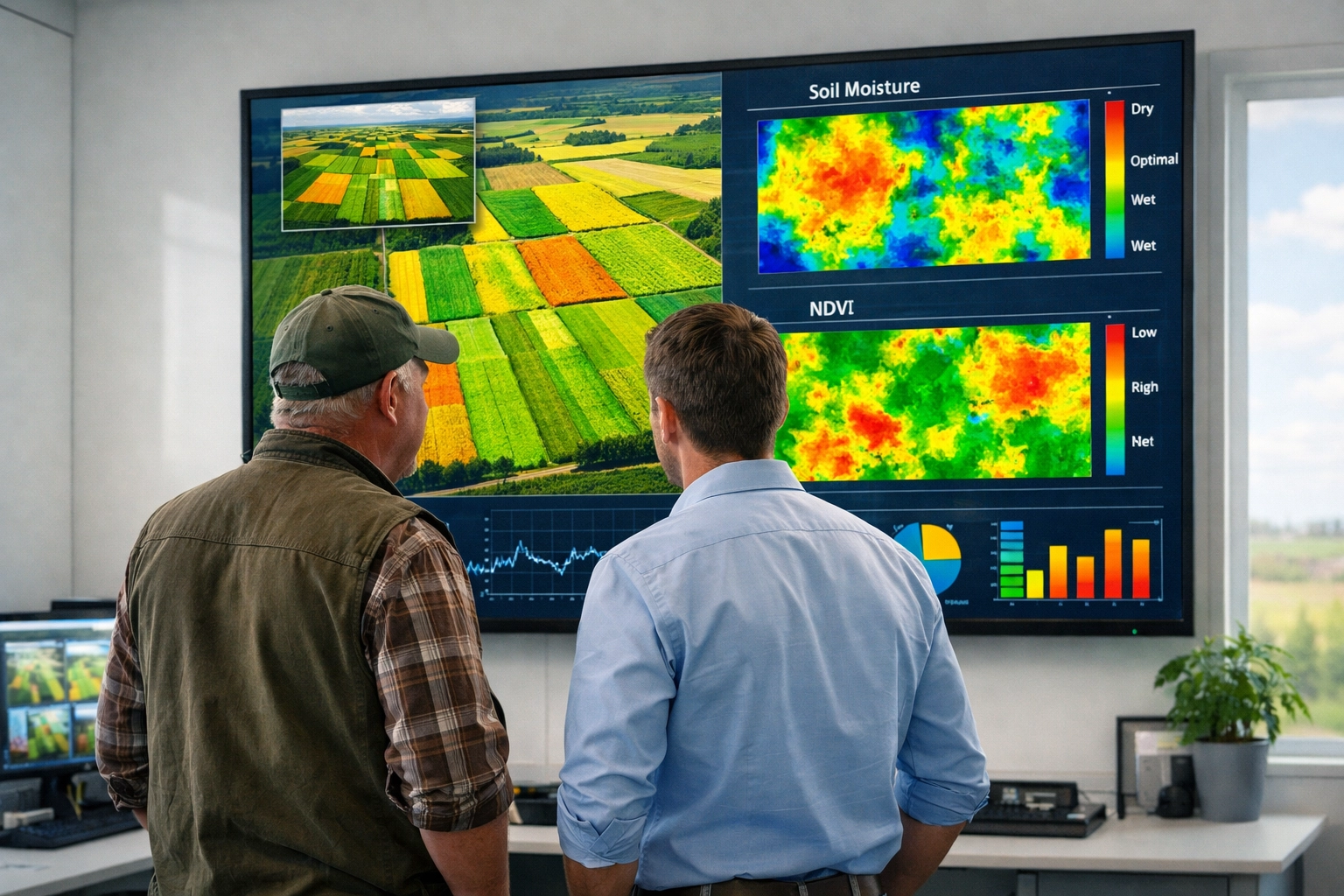
Why Traditional Ag-Shows Miss the Mark for Commercial Operations
Generic agricultural shows serve a purpose: they're excellent for broad consumer outreach, showcasing lifestyle farming equipment, and providing general education. But commercial producers seeking to maximize yield per hectare while managing water scarcity need something fundamentally different. They need a commodity conference format that respects their time, connects them directly with solution providers, and facilitates the kind of deep-dive conversations that lead to actual implementation.
At traditional ag-shows, a farmer might spend hours wandering pavilions hoping to stumble upon relevant technology. At ICS, that same farmer sits in curated roundtables with precision agriculture specialists, irrigation engineers, and agri-tech startups who've been vetted for commercial viability. The difference is intentionality: every session, every exhibitor, every networking opportunity is designed around one question: How do we grow more with less?
The stakes are particularly high in Southern Africa, where water security increasingly determines agricultural viability. This isn't theoretical: it's the difference between a profitable season and a failed one. The conversations need to reflect that urgency.
The Precision Farming Revolution: Technology That Pays for Itself
Precision agriculture has moved beyond buzzword status into proven ROI territory. Farmers implementing soil moisture sensors, variable rate irrigation systems, and satellite-guided nutrient application are seeing yield increases of 15-30% while reducing water consumption by similar margins. These aren't experimental technologies anymore; they're competitive necessities.
The 2026 agri-tech landscape encompasses several interconnected domains that ICS brings together under one roof:
Water Management & Smart Irrigation: Drip systems with real-time adjustment capabilities, deficit irrigation strategies, and predictive modeling that accounts for weather patterns weeks in advance. With water costs rising and availability shrinking, irrigation efficiency directly impacts bottom lines.
Data-Driven Decision Making: Integration of satellite imagery, drone surveillance, IoT soil sensors, and predictive analytics platforms that tell farmers exactly where, when, and how much to irrigate, fertilize, or treat for pests. The technology exists; the challenge is implementation at scale.
Energy-Efficient Systems: Solar-powered irrigation, battery storage for pumping operations, and hybrid systems that reduce dependence on grid power: crucial for remote operations and rising energy costs.
Regenerative Agriculture Tech: Equipment and methodologies that build soil health while maintaining high yields, including advanced cover cropping systems and minimal-tillage implements guided by precision mapping.
What Sets ICS Apart: The "Farmers Meet Engineers" Model
The International Commodity Summit operates on a fundamentally different premise than conventional agricultural events. Rather than casting a wide net, ICS convenes decision-makers with procurement authority alongside solution providers with proven track records. This creates an environment where serious business happens efficiently.
Curated Matchmaking: Participants aren't left to chance encounters. The summit's structure facilitates targeted introductions between farmers seeking specific solutions and technology providers who've already deployed them successfully elsewhere. A citrus grower from Limpopo looking to implement precision fertigation connects directly with engineers who've installed systems in similar climates.
Case Study-Driven Sessions: Instead of theoretical presentations, the agri-tech track features real-world implementations: the actual costs, the ROI timelines, the challenges encountered, and the solutions found. When an avocado producer shares how variable rate irrigation increased their pack-out percentage by 22%, that's actionable intelligence.
Investment-Grade Content: The summit attracts agricultural financiers, equipment leasing specialists, and development finance institutions specifically interested in funding agri-tech adoption. Farmers don't just learn about technology; they meet the people who can help finance its implementation.
Multi-Commodity Cross-Pollination: Unlike single-crop conferences, ICS brings together producers from macadamias, citrus, avocados, grains, and other high-value commodities. Technologies that transform water efficiency in one crop often translate directly to others, and the cross-sector dialogue sparks innovation.
Who Attends and Why It Matters
The attendee profile at ICS reflects its business-first orientation. This isn't a public event with hobbyist farmers; it's a gathering of commercial agricultural operations, agri-tech innovators, and the investment community that funds agricultural transformation.
Commercial Farmers & Farm Managers: Decision-makers managing operations from 500 to 50,000+ hectares, looking for scalable solutions that deliver measurable ROI within 2-3 seasons.
Agri-Tech Companies: From established irrigation giants to startups developing AI-powered crop monitoring platforms, solution providers come to ICS because the buyers are in the room.
Agricultural Engineers & Consultants: The specialists who design, implement, and optimize precision farming systems: the bridge between technology and practical application.
Water Management Authorities: Government representatives and water utility officials engaged in agricultural water efficiency initiatives and policy frameworks.
Financial Institutions: Agri-lenders, equipment financiers, and development banks looking to fund the adoption of yield-enhancing technologies.
Export & Processing Operations: Post-harvest businesses whose success depends on their suppliers adopting technologies that improve quality and consistency.
This convergence creates conversations that don't happen elsewhere. A banker meets a farmer who meets an engineer: and six months later, a fully automated irrigation system is operating across 2,000 hectares.
Practical Outcomes: From Insights to Implementation
The true measure of any commodity conference is what happens after attendees leave. ICS 2026's agri-tech track is structured around implementation, not just inspiration. Sessions connect directly to tangible next steps: equipment trials, financing applications, pilot projects, and integration planning.
Technology Demonstrations: Live showcases of irrigation controllers, soil sensors, and integrated farm management platforms: attendees can see equipment in operation and discuss specifications with technical teams on-site.
ROI Calculators & Feasibility Tools: Working sessions where farmers can model the financial impact of specific technologies on their own operations, using real input costs and market prices.
Partnership Frameworks: Pre-negotiated trial programs where select attendees can implement technologies at reduced cost in exchange for data sharing and case study participation.
Post-Summit Support: Unlike one-off conferences, ICS facilitates ongoing connections through its network, enabling farmers and solution providers to maintain dialogue through implementation phases.
The South African Advantage: Regional Leadership in Agri-Innovation
While international irrigation conferences in Beijing, Marseille, and elsewhere attract global attention, events in South Africa offer distinct advantages for regional producers. The climate challenges, water constraints, and soil conditions discussed at ICS directly reflect the realities facing Southern African agriculture: no translation needed from European or Asian contexts.
South African agri-tech companies are developing solutions specifically for African conditions: high heat tolerance, irregular rainfall patterns, and infrastructure challenges that don't exist in developed markets. At ICS, these locally-relevant innovations take center stage alongside proven international technologies adapted for regional deployment.
The summit also addresses the regulatory and financing landscape specific to Southern Africa: how to access government grants for water efficiency, navigate South African agricultural lending requirements, and structure deals that work within regional business frameworks.
Beyond Irrigation: The Full Agri-Tech Ecosystem
While irrigation technology and water management anchor the agri-tech programming at ICS, the scope extends across the entire precision farming ecosystem. Pest management using drone-deployed biologicals, blockchain-based traceability systems, automated harvesting technologies, and climate-smart agriculture methodologies all feature in the summit's comprehensive approach.
This holistic view matters because modern high-yield farming isn't about optimizing one variable: it's about orchestrating multiple systems that work in concert. The farmer who invests in precision irrigation also needs to think about variable rate fertilization, integrated pest management, and harvest timing optimization. ICS provides the platform to explore these interconnections with specialists across disciplines.
Registration and Next Steps
The International Commodity Summit 2026 offers multiple participation levels designed for different organizational needs. Delegate tickets provide full access to agri-tech sessions, networking areas, and technology demonstrations. VIP delegate packages include exclusive roundtables with keynote speakers and priority scheduling for one-on-one meetings with solution providers. Government tickets accommodate officials involved in agricultural policy and water management at preferential rates.
For commercial farming operations serious about implementing precision agriculture and advanced irrigation systems, the investment in attending ICS represents a fraction of the cost of a single major equipment purchase: yet the connections and knowledge gained can shape equipment decisions, financing strategies, and technology adoption roadmaps for years ahead.
The future of high-yield farming in Africa will be built by those who embrace the convergence of agriculture and engineering. ICS is where that convergence happens with purpose. Visit International Commodity Summit to secure your place at the 2026 event where farmers and engineers are redefining what's possible in African agriculture.
