
The global race for rare earth elements is no longer a distant geopolitical concern: it's the defining commodity battleground of this decade. From electric vehicle motors to wind turbines, from smartphone screens to military defense systems, REEs power the technologies that shape modern civilization. And in 2026, South Africa is emerging as a critical node in this supply chain, making rare earth conferences essential forums for anyone serious about securing their position in the tech frontier.
The numbers tell a compelling story. Africa's share of the global rare earths market is projected to reach 9% by 2035, with up to eight rare earth projects set for commissioning across the continent by 2029. South Africa's Steenkampskraal Monazite Mine alone hosts one of the world's highest-grade rare earth deposits at 14.5% average total rare earth oxides: a figure that makes even established producers take notice.
Why Rare Earth Conferences Matter More Than Ever
The rare earth supply chain has historically been dominated by a single nation, creating vulnerabilities that governments and corporations worldwide are scrambling to address. Diversification isn't optional anymore: it's strategic imperative. African nations, particularly South Africa, are positioning themselves as alternative sources, but the path from resource discovery to reliable supply requires sophisticated coordination across mining, processing, refining, and downstream manufacturing.

This is where critical minerals conferences become mission-critical. These aren't academic gatherings or trade show formalities. They're where off-take agreements get negotiated, where mining executives meet the technology manufacturers who desperately need their output, where government policy meets private capital, and where the actual architecture of alternative supply chains gets hammered out in real-time.
The complexity of rare earth extraction and processing demands face-to-face collaboration. Unlike bulk commodities, REE projects require specialized technical knowledge, environmental compliance frameworks, and sophisticated understanding of downstream purification processes. The learning curve is steep, the capital requirements substantial, and the network effects profound.
South Africa's Strategic Position in the REE Value Chain
South Africa brings unique advantages to the rare earth conversation that extend beyond geology. The country's established mining infrastructure, deep technical expertise in complex metallurgy, access to both Atlantic and Indian Ocean ports, and stable regulatory framework create conditions for REE project success that many emerging mining jurisdictions simply cannot match.
The Steenkampskraal deposit represents just the tip of the opportunity. Geological surveys continue identifying additional REE-bearing formations across the country, while existing mining operations explore rare earth by-product potential. What's needed now is the coordination layer: connecting exploration companies with processing technology, linking African producers with Asian and Western buyers, and aligning investment capital with viable projects.
The 2026 Conference Landscape: Where Deals Get Done
Several major gatherings anchor South Africa's 2026 critical minerals calendar, each serving distinct functions within the ecosystem:
African Mining Indaba (February 9-12, Cape Town) remains the continent's flagship mining event, drawing global investors and government ministers. Its critical minerals track provides high-level strategic context and policy direction, making it essential for understanding the macro environment.
African Critical Minerals Summit (August 25-26, Johannesburg) offers a more specialized forum since its 2023 founding. This event brings together government leaders, mining executives, investors, and sustainability experts specifically focused on critical mineral opportunities, including rare earths. The concentrated format allows for deeper technical discussions and more focused deal-making.
African Mining Week (October 14-16, Cape Town) closes out the conference season under the theme "Mining The Future: Unearthing Africa's Full Mineral Value." Its timing allows participants to assess how agreements and partnerships forged earlier in the year have progressed, while positioning 2027 strategies.
Why the International Commodity Summit Stands Out
Within this conference landscape, the International Commodity Summit occupies a unique position. Unlike events focused exclusively on mining or exclusively on critical minerals, ICS convenes the entire commodity value chain under one roof: from upstream exploration through midstream processing to downstream manufacturing and end-use applications.
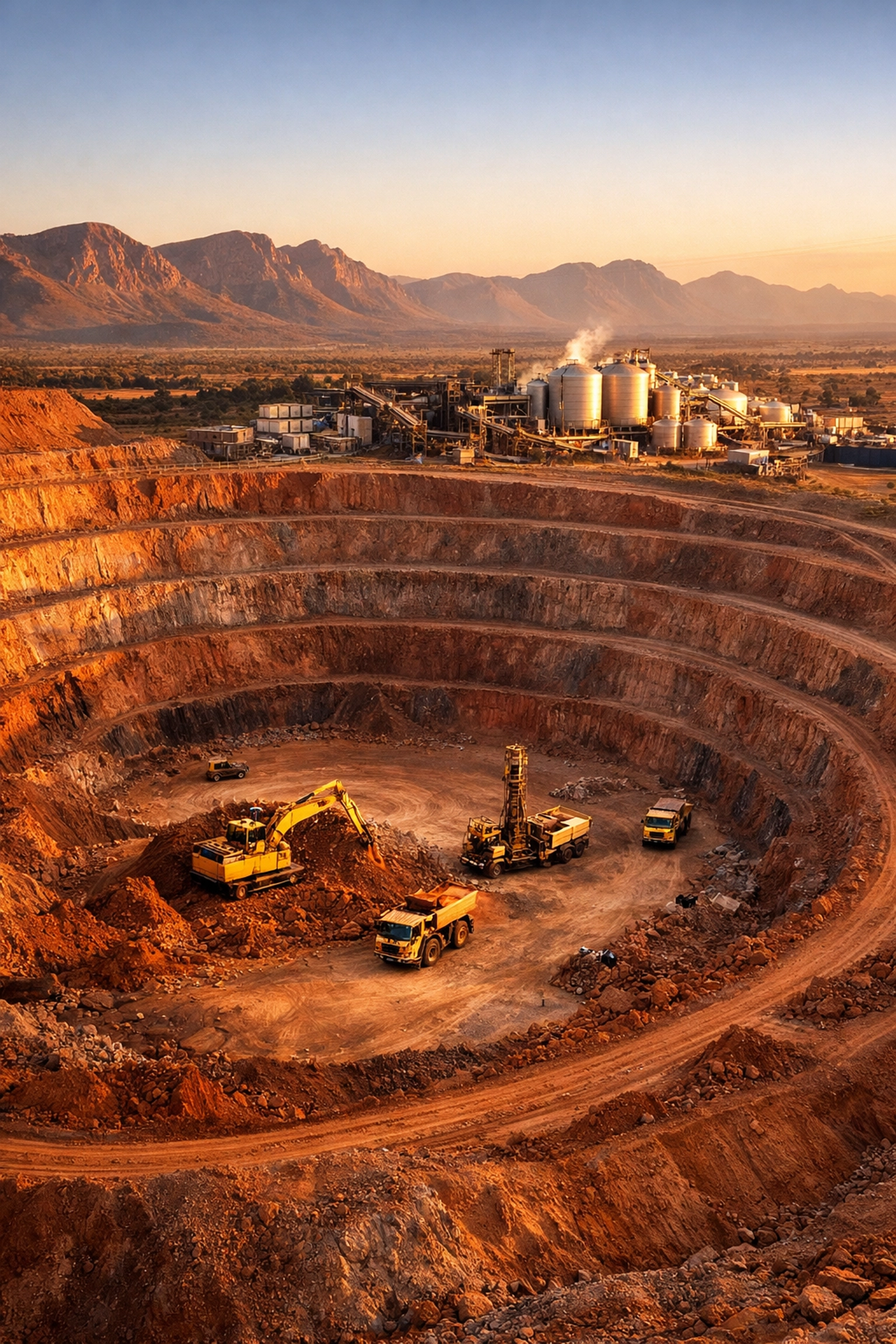
For rare earth stakeholders, this integrated approach solves a fundamental challenge: REE projects don't exist in isolation. They require fertilizer chemicals for processing, logistics infrastructure for concentrate transport, energy supply for power-intensive separation, and off-take relationships with technology manufacturers. ICS brings all these players together, creating networking density that specialized conferences simply cannot match.
The South African setting matters enormously. While international rare earth conferences in Asia or North America serve important functions, they often treat African projects as distant opportunities requiring validation. At ICS, African REE initiatives are the main event, attracting serious participants who've already committed to the continent's mineral future. The quality of conversation shifts when everyone in the room has already decided Africa matters: the question becomes how to execute, not whether to explore.
What Rare Earth Professionals Gain at Critical Minerals Conferences
The value proposition extends across the REE value chain:
Exploration and mining companies connect with the processing technology providers who can turn their mineral discoveries into marketable products. They meet environmental consultants who understand African regulatory frameworks, financial institutions familiar with REE project economics, and potential strategic partners seeking upstream security.
Processing and separation specialists find the feedstock sources their facilities require. They engage with equipment manufacturers offering the latest magnetic separation and hydrometallurgical technology, while exploring partnership structures with downstream manufacturers seeking processing capacity.
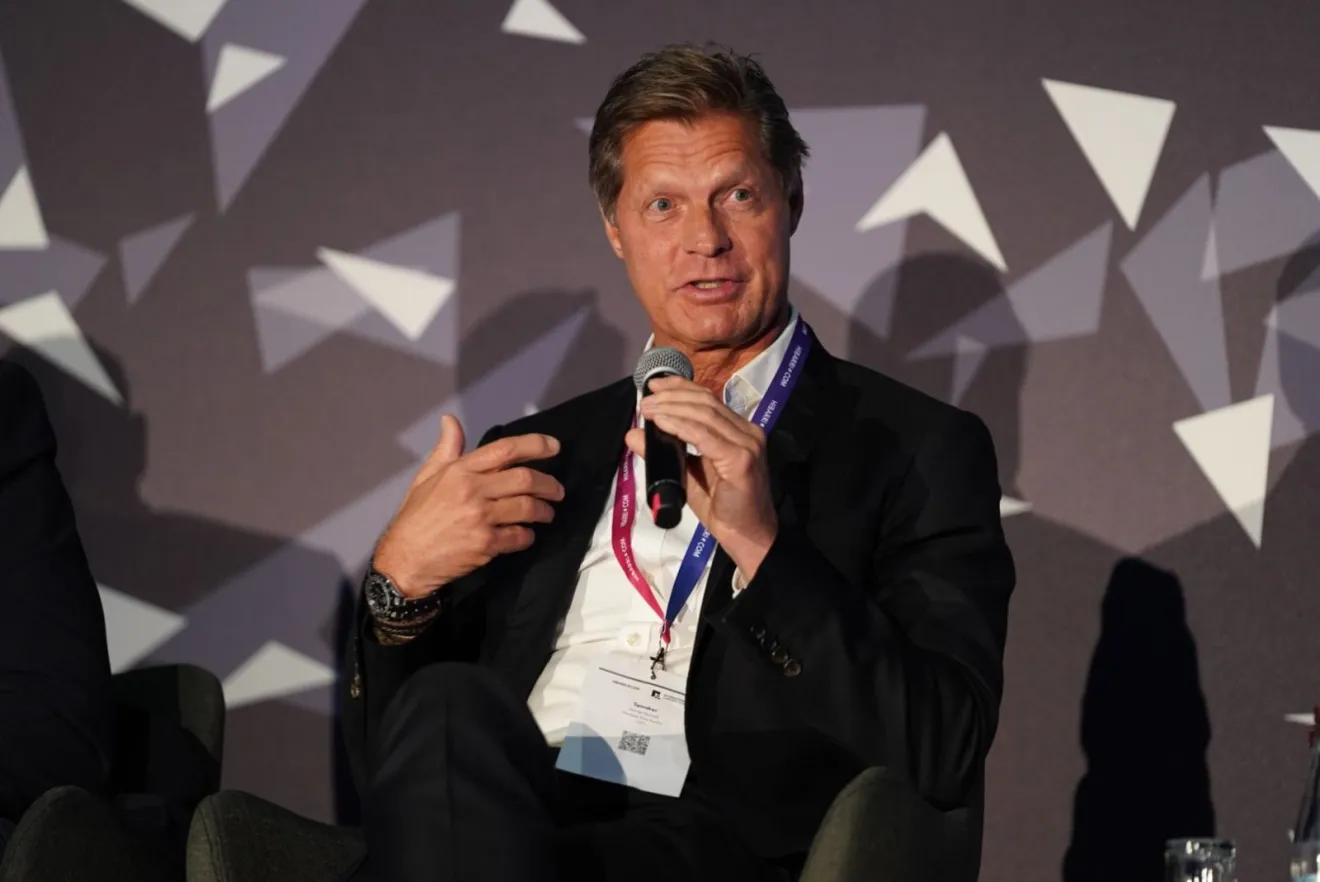
George Bennett from Rainbow Rare Earths at the International Commodity Summit in 2025
Technology manufacturers and end-users: the battery producers, magnet manufacturers, catalyst specialists, and electronics companies: gain direct access to emerging supply sources. They can conduct technical due diligence, negotiate long-term supply agreements, and build relationships that buffer them against supply disruptions.
Investors and financial institutions evaluate project pipelines, assess management teams, and structure financing for a sector where traditional mining finance models often fall short. The specialized capital requirements of REE projects demand sophisticated understanding, and conferences provide the intensive exposure needed for informed decision-making.
Government representatives and policy makers observe how regulatory frameworks impact project viability, understand where infrastructure gaps constrain development, and learn from peer nations' approaches to critical mineral strategy.
The Technical Education Advantage
Beyond networking and deal-making, rare earth conferences serve a critical educational function. The technical complexity of REE extraction and processing means many potential participants: even those with extensive mining experience: lack the specialized knowledge needed to evaluate projects and opportunities effectively.
Conference programming addresses this gap through technical sessions covering:
- Mineral processing innovations that improve recovery rates and reduce environmental impact
- Separation and purification technologies for achieving commercial-grade rare earth oxides
- Sustainability frameworks that satisfy both Western ESG requirements and local community expectations
- Market dynamics for individual rare earth elements, which can vary dramatically
- Downstream application trends driving demand growth across technology sectors
This educational component transforms conferences from simple networking events into strategic intelligence gathering opportunities. Participants leave with actionable knowledge that directly impacts their project assessments and investment decisions.
The 2026 Urgency Factor
Several converging factors make 2026 a pivotal year for rare earth conference participation:
Project commissioning timelines mean companies making decisions now will determine which operations come online in the 2028-2030 window: precisely when demand growth is expected to outstrip traditional supply sources. First-mover advantages in offtake agreements and processing capacity will be established in the next 18 months.
Government policy is crystallizing across Western nations seeking to diversify critical mineral supply. Funding mechanisms, tax incentives, and strategic partnerships are being finalized now, with resources flowing to projects demonstrating viable paths to production.
Technological advances in processing are reducing the capital intensity and environmental footprint of REE separation, making projects viable that would have struggled financially just five years ago. Understanding these innovations requires direct engagement with technology providers: the kind of interaction conferences facilitate.
Making Conference Participation Pay Off
Strategic conference participation demands preparation. The highest-value outcomes flow to those who approach events with clear objectives:
Research the attendee list and request meetings in advance with priority contacts. Conference floors are crowded; pre-scheduled discussions ensure quality time with key decision-makers.
Prepare materials that clearly articulate your value proposition: whether that's project data for mining companies, technical specifications for processing firms, or capacity requirements for end-users.
Attend technical sessions outside your immediate expertise. Some of the most valuable partnerships emerge from adjacent sectors that initially seemed peripheral.
Follow up systematically after the event. The initial conference meeting sparks interest; the disciplined follow-up converts that interest into tangible outcomes.
The International Commodity Summit structures its programming to maximize these outcomes, with dedicated networking sessions, pre-arranged bilateral meetings, and technical workshops designed to move conversations beyond introductions into substantive collaboration. Visit internationalcommoditysummit.com to explore how ICS creates the conditions for rare earth deal-making that other events simply don't deliver.
The African Advantage in Global REE Markets
As the global economy transitions toward electrification and renewable energy, rare earth demand will grow exponentially. Africa's geological endowment positions the continent to capture meaningful market share: but only if the necessary coordination occurs. Conferences serve as the mechanism for that coordination, bringing together the mining expertise, processing technology, capital, and off-take relationships required for successful REE value chains.
South Africa specifically offers the combination of resource quality, technical capability, and institutional stability that large-scale REE projects require. The country's conferences reflect these advantages, attracting serious participants committed to execution rather than exploration. For anyone positioned along the rare earth value chain, engagement with South Africa's 2026 conference calendar isn't optional: it's where the future of alternative REE supply gets built.
