
Let's address the elephant in the conference hall: Gulfoods has dominated the agricultural commodities conversation for too long, and for avocado growers, exporters, and serious agribusiness professionals, it's time to demand more. The International Commodity Summit 2026 is rewriting the playbook for agriculture conferences, and if you're in the avocado business, this is where you need to be.
South Africa isn't just playing in the avocado game: it's leading it. The country ranks among the top 10 global avocado producers, and its export volumes have exploded over the past decade, flooding European and Middle Eastern markets with premium Hass, Fuerte, and Ryan cultivars. While Gulfoods offers a sprawling exhibition floor packed with every food product imaginable, the International Commodity Summit delivers something infinitely more valuable: direct access to the decision-makers shaping Africa's agricultural commodity exports.
Why Serious Farmers Are Done With Gulfoods
Gulfoods built its reputation on scale: thousands of exhibitors, tens of thousands of visitors, and enough hummus samples to feed a small nation. But for avocado producers and exporters seeking meaningful commercial outcomes, the Dubai mega-event has become a victim of its own success. You're competing for attention alongside snack manufacturers, beverage brands, and pasta importers. Your 10 minutes with a potential off-take partner gets interrupted by someone hawking energy drinks.

The International Commodity Summit strips away the noise. This is a pure commodities play, designed exclusively for professionals moving bulk agricultural products, metals, and energy resources across borders. When an avocado exporter sits down with a European buyer at Sandton City in Johannesburg, both parties are there for one reason: to structure deals that move tonnes, not sample trays.
The difference is fundamental. Gulfoods positions itself as a food and hospitality showcase. The International Commodity Summit positions itself as a trade execution platform for commodity professionals. One is about impressions; the other is about contracts, off-take agreements, and supply chain partnerships.
South Africa's Avocado Revolution Deserves a Local Stage
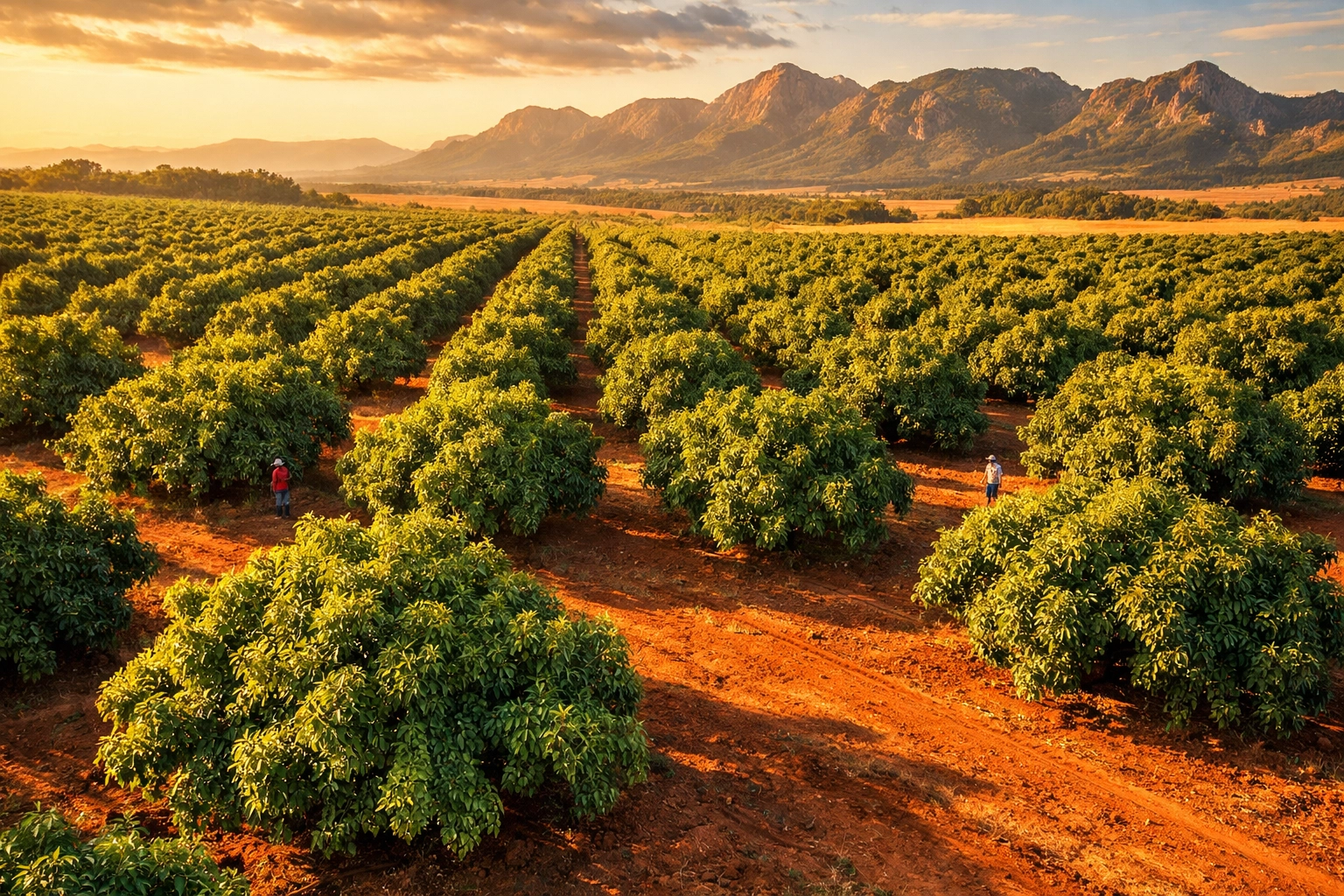
The numbers tell the story. South Africa exported over 100,000 tonnes of avocados in recent years, with production concentrated in Limpopo, Mpumalanga, and KwaZulu-Natal. The country's avocado industry has become a billion-rand export engine, feeding growing demand across Europe, the Middle East, and increasingly, Asia.
Yet the infrastructure and expertise powering this boom: the logistics networks, cold chain specialists, phytosanitary certification systems, and export finance mechanisms: have never had a dedicated forum in South Africa itself. Producers fly to Dubai, to Rotterdam, to California, seeking buyers and insights available 90 minutes from their own orchards.
The International Commodity Summit changes that calculation entirely. Held at Sandton City in Johannesburg, the event brings the global avocado value chain to South Africa's commercial capital. Buyers from European retail chains, Middle Eastern distributors, and Asian importers converge in Sandton specifically to source African commodities, including fresh produce, with a focus on long-term supply relationships rather than spot purchases.
What Makes This Conference Irresistible for Avocado Professionals
The structure of the International Commodity Summit is purpose-built for commodity deal-making. Unlike sprawling food exhibitions, this is a curated gathering of upstream producers, midstream logistics providers, and downstream buyers, all focused on the same objective: moving physical commodities across borders profitably.
For avocado growers and exporters, the value proposition is immediate:
Direct Buyer Access: Major importers and retail procurement teams attend specifically to sign multi-year supply agreements with African producers. These aren't browsing visits: they're sourcing missions with committed volumes and budgets.
Export Logistics Integration: Cold chain operators, freight forwarders, and port authorities exhibit alongside producers, allowing real-time conversations about shipping schedules, container availability, and temperature-controlled transport solutions: the unglamorous but critical details that make or break avocado exports.
Finance and Risk Management: Trade finance institutions and commodity hedging specialists provide on-site consultations about payment terms, currency risk, and export credit facilities, turning conceptual deals into bankable transactions.
Phytosanitary and Compliance Support: Regulatory experts and certification bodies offer guidance on navigating the complex web of import regulations, pesticide residue limits, and traceability requirements that determine market access.
Market Intelligence: Panel discussions and presentations deliver real-time insights on European demand trends, Middle Eastern price dynamics, and Asian market entry strategies: intelligence worth the flight alone.
This isn't a conference where avocado professionals are an afterthought. At the International Commodity Summit, agricultural commodities receive equal billing with metals and energy, reflecting their importance to South Africa's export economy. Serious farmers and exporters aren't competing for attention: they're commanding it.
The Sandton Advantage: Location Matters
Sandton City, Johannesburg isn't just a venue: it's a strategic advantage. South Africa's financial capital sits at the heart of the continent's most developed commercial infrastructure, with direct flights connecting to London, Dubai, Amsterdam, and Frankfurt: the exact markets absorbing South African avocados in volume.
For international buyers, Sandton offers world-class accommodation, reliable connectivity, and a business environment operating at global standards. For South African producers, it's accessible by road from Limpopo's avocado heartland in under four hours, making participation feasible for operations of any size.
The venue itself reinforces the summit's positioning. Sandton City is synonymous with African commerce at scale: major deals in mining, energy, and finance happen here daily. Hosting the International Commodity Summit in this environment signals that agricultural commodities are serious business, deserving the same professional infrastructure as precious metals or crude oil.
Why This Matters Beyond Avocados
While avocado producers represent a critical segment, the International Commodity Summit addresses a broader challenge: Africa's agricultural commodities have been underserved by dedicated trade platforms. Gulfoods serves the Middle East. European exhibitions focus on their own supply chains. American conferences prioritize North and South American growers.
The International Commodity Summit exists to position South Africa: and by extension, Africa: as a first-tier agricultural commodity origin, not an afterthought. For avocados, this means buyers view South African production as reliable, scalable, and strategically valuable, rather than an opportunistic fill-in when Mexican or Peruvian volumes fall short.
The event's structure reflects this ambition. Unlike food festivals masquerading as trade shows, the summit features:
- Structured buyer-seller matchmaking based on product categories and volume requirements
- Side programs connecting producers with logistics providers and financiers
- Government participation from trade promotion agencies and export development authorities
- Policy discussions addressing market access barriers and regulatory harmonization
This is the infrastructure that world-class agricultural export sectors require. South Africa's avocado industry has the production capacity and quality standards to compete globally. The International Commodity Summit provides the commercial platform to convert that potential into signed contracts and reliable export channels.
The Case for Making the Trip
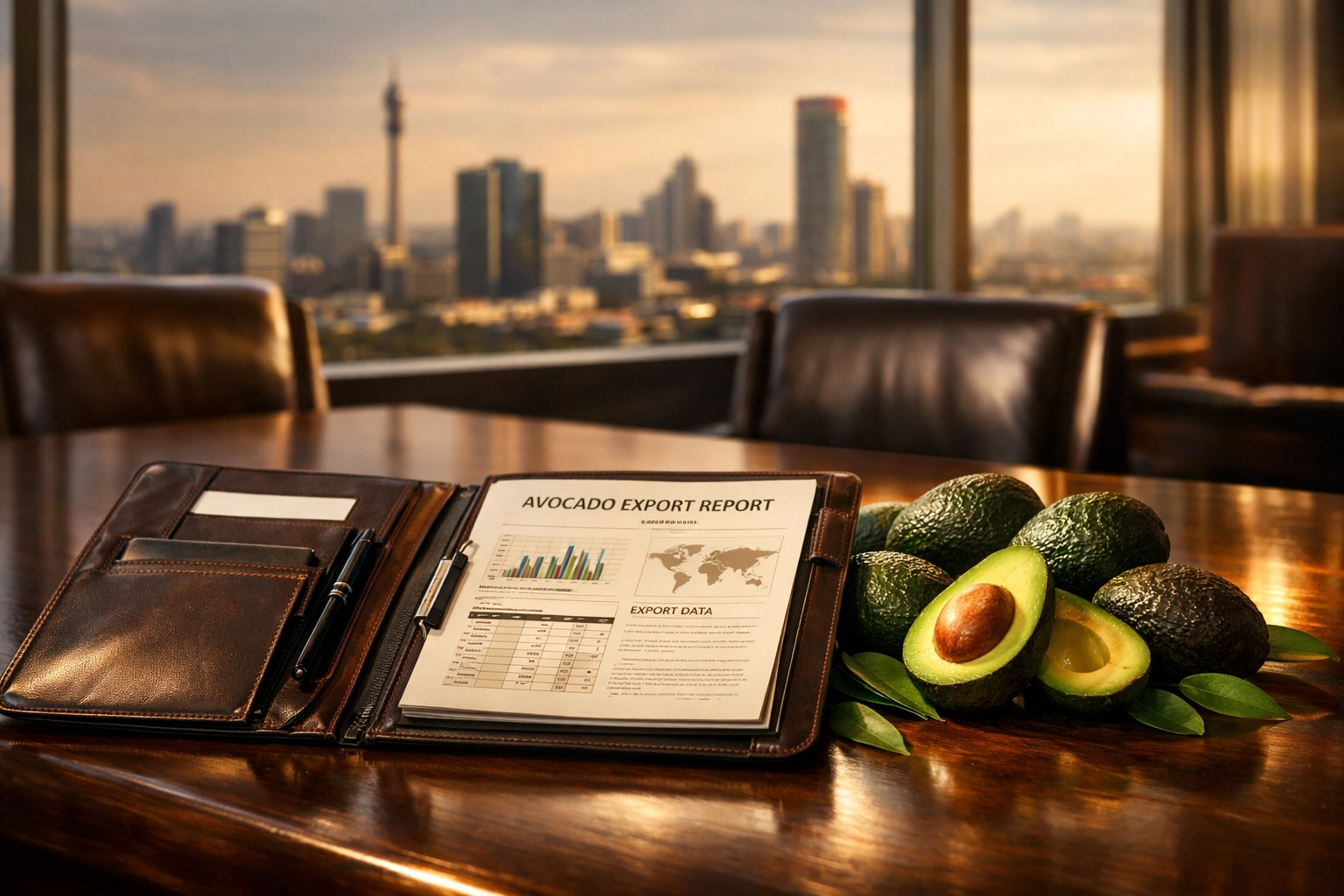
If you're an avocado grower in Limpopo, exporter in Nelspruit, or distributor in Durban, the question isn't whether you can afford to attend the International Commodity Summit. The question is whether you can afford to miss the opportunity to meet your next five-year buyer relationship while your competitors sign those deals instead.
For international buyers, procurement managers, and importers, the proposition is equally compelling. South Africa's avocado production is expanding rapidly, with new orchards coming into production and established operations scaling volumes. Securing reliable supply relationships now: before the market tightens: means consistent availability, competitive pricing, and strategic supplier diversification.
The International Commodity Summit happens once annually, bringing together the entire African commodity value chain in one location for two days. That concentration of opportunity doesn't exist anywhere else on the continent. Not in Dubai. Not in Rotterdam. Not in California.
Registration and Participation
The International Commodity Summit 2026 takes place at Sandton City, Johannesburg, with registration details available at internationalcommoditysummit.com. Participation options include delegate passes for buyers and exhibitor packages for producers and service providers.
For agricultural commodity professionals: whether focused on avocados, macadamias, citrus, or any other export crop: this represents the most focused, commercially oriented platform available in the Southern African market. While Gulfoods offers breadth, the International Commodity Summit delivers depth, specificity, and the kind of targeted interactions that generate actual trade outcomes.
The African agricultural commodities sector is entering a new phase, driven by rising global demand, improved logistics infrastructure, and professional export operations. The International Commodity Summit exists to accelerate that transformation, connecting African producers with global markets through structured, results-driven engagement.
For serious farmers and agribusiness professionals, that's worth the flight. Every time.
